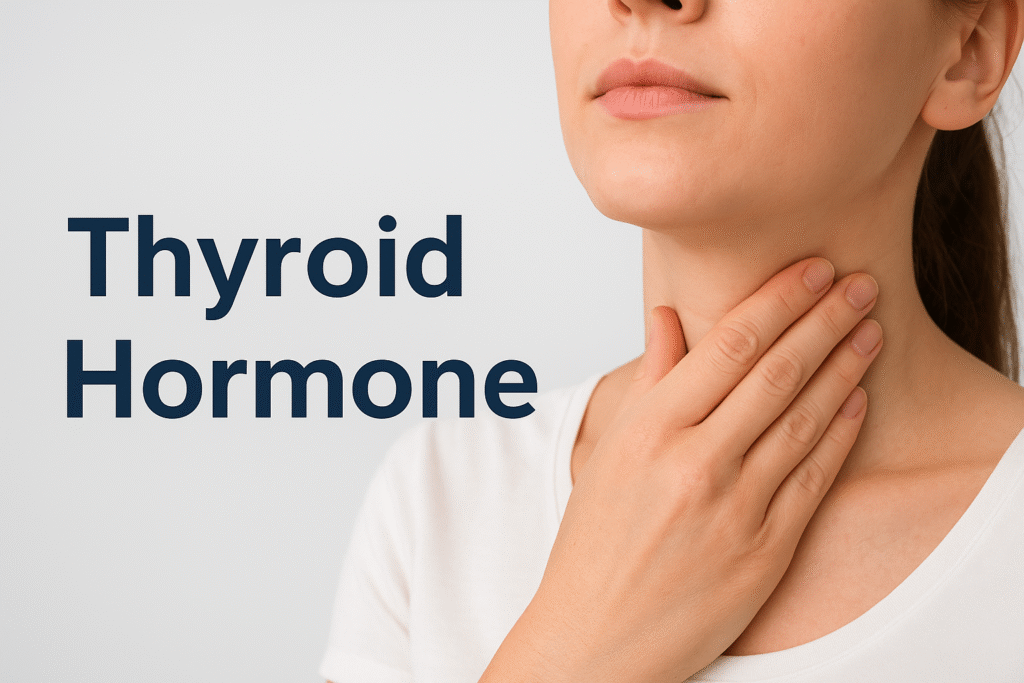
Thyroid hormone plays a vital role in keeping the body balanced and healthy. It supports many essential functions that help your organs work well. As a result, any change in thyroid hormone levels can affect your energy, mood, weight, and overall wellness. This blog explains thyroid hormone in a clear and simple way.
It also guides you through its functions, disorders, symptoms, diagnosis, and treatment. Moreover, the content aims to improve your understanding so you can make informed health decisions.
What Is Thyroid Hormone
Thyroid hormone is produced by the thyroid gland. This small gland sits in the front of the neck. It releases two major hormones. The first is thyroxine, also known as T4. The second is triiodothyronine, or T3. Both hormones regulate metabolism and control how fast your body uses energy. They also support growth, development, and brain function.
Therefore, any imbalance can disturb the rhythm of the entire body.
How Thyroid Hormone Works
The thyroid gland works with the pituitary gland in the brain. The pituitary gland produces TSH, which stands for thyroid-stimulating hormone. TSH tells the thyroid gland when to make more hormones. When T3 and T4 levels drop, TSH rises. However, when thyroid hormone levels are high, TSH decreases. This system keeps your body in balance. It also ensures that your organs receive the amount of energy they need.
Functions of Thyroid Hormone
Thyroid hormone controls metabolism. It also manages how the body uses fats, proteins, and carbohydrates. Moreover, it keeps your heart rate, body temperature, and digestion stable. These hormones help children grow and support brain development during pregnancy. They also maintain healthy skin, hair, and energy levels. As a result, thyroid hormone is essential for daily life.
Types of Thyroid Disorders
Thyroid disorders appear when the gland makes too much or too little hormone. These conditions affect people of all ages. However, early detection can prevent many long-term problems.
Hypothyroidism
Hypothyroidism happens when the gland produces less hormone than the body needs. This slows down metabolic activities. People may feel tired or gain weight easily. Dry skin, hair fall, and cold intolerance are also common. Women may experience menstrual issues. Moreover, mood changes and constipation may appear.
Hyperthyroidism
Hyperthyroidism occurs when the gland produces excess hormone. This speeds up metabolism. As a result, the heartbeat becomes fast. Weight loss may occur even with normal diet. People may feel restless or anxious. Heat intolerance and increased sweating are also common. However, many patients respond well to treatment when diagnosed early.
Goiter and Thyroid Nodules
Goiter refers to an enlarged thyroid gland. It may happen due to iodine deficiency, inflammation, or hormonal imbalance. Thyroid nodules are small lumps inside the gland. Most nodules are harmless. However, a few may need further testing. Doctors usually perform ultrasound and blood tests to understand the cause.
Thyroid Cancer
Thyroid cancer is less common. It often grows slowly and responds well to treatment. Early diagnosis increases recovery rates. Regular monitoring helps in managing the condition effectively.
Common Symptoms of Thyroid Hormone Imbalance
Symptoms depend on whether the hormone level is high or low. Fatigue, weight changes, hair issues, irregular heartbeat, mood changes, and digestive problems are common signs. However, symptoms may appear slowly. Therefore, most people discover the disorder after a blood test.
Diagnosis of Thyroid Disorders
Doctors diagnose thyroid problems through blood tests. These tests measure TSH, T3, and T4. They also check thyroid antibodies when needed. Ultrasound and scanning help assess the structure of the gland. Moreover, fine-needle aspiration may be used to evaluate nodules. Early diagnosis helps avoid complications and improves treatment outcomes.
Treatment of Thyroid Disorders
Treatment depends on the type of disorder. Hypothyroidism is treated with synthetic thyroid hormone. This medicine replaces the missing hormone and restores balance. Patients must take it daily for best results. Hyperthyroidism is treated with anti-thyroid medicines, radioactive iodine, or surgery in some cases.
Doctors choose the method based on age, symptoms, and overall health. Moreover, regular follow-up is important to maintain stable hormone levels.
Diet and Lifestyle Tips for Healthy Thyroid Hormone Levels
Diet plays a key role in thyroid health. Foods rich in iodine, zinc, and selenium support hormone production. However, excess iodine should be avoided. Balanced meals, enough sleep, and regular exercise also promote thyroid function.
Stress management is equally important. Meditation, deep breathing, and hydration help the body stay strong. These steps create a supportive environment for the thyroid gland.
Thyroid Hormone in Pregnancy
Pregnant female need healthy thyroid function for the growth of the baby. Low thyroid hormone can affect brain development. Therefore, thyroid tests are often advised during pregnancy. Early treatment ensures the safety of the mother and baby. Moreover, regular monitoring helps maintain stable hormone levels throughout pregnancy.
Living with Thyroid Disorders
Many people live active and healthy lives with thyroid disorders. Treatment keeps symptoms under control. However, consistency is important. Regular check-ups help track hormone levels. As a result, people can manage their condition with confidence. A supportive lifestyle makes daily tasks easier. Moreover, awareness encourages others to seek help when needed.
Conclusion
Thyroid hormone acts like a small but powerful engine for the body. It keeps your system balanced and your energy steady. When levels change, health and daily life can feel challenging. However, early diagnosis and proper care offer strong control over symptoms. You can lead a healthy life when you follow treatment and maintain supportive habits.
If you notice any signs of imbalance, take the first step and speak with a healthcare provider. Your body deserves timely care, and your well-being is always worth the effort.
FAQs
What causes thyroid hormone imbalance
Many factors cause imbalance, including autoimmune disease, iodine deficiency, stress, and genetics. However, most conditions respond well to treatment.
Can thyroid disorders be cured
Some conditions can be fully treated, while others require long-term management. Regular medical care helps keep hormone levels stable.
Does thyroid disorder affect weight
Yes. Low hormone levels may increase weight, and high levels may reduce it. Treatment often brings weight back to balance.
How often should I test my thyroid levels
Doctors usually recommend testing once or twice a year for stable cases. However, more frequent testing may be needed during treatment changes.
Can lifestyle changes improve thyroid health
Healthy food, stress control, and regular activity support thyroid function. However, medical treatment remains essential for most disorders.
Noradrenaline Hormone: Functions, Symptoms & Health Impact
https://newsarmour.com/noradrenaline-hormone/
Reference
- World Health Organization (WHO) – Thyroid Disorders Overview
https://www.who.int/health-topics/thyroid-disease - National Institutes of Health (NIH) – Thyroid Hormone Information
https://www.ncbi.nlm.nih.gov/books/NBK499850/ - American Thyroid Association – Patient Education
https://www.thyroid.org/patient-thyroid-information/ - Mayo Clinic – Thyroid Disease Symptoms and Treatment
https://www.mayoclinic.org/diseases-conditions/thyroid-disease - Cleveland Clinic – Understanding Thyroid Function
https://my.clevelandclinic.org/health/body/23109-thyroid-gland