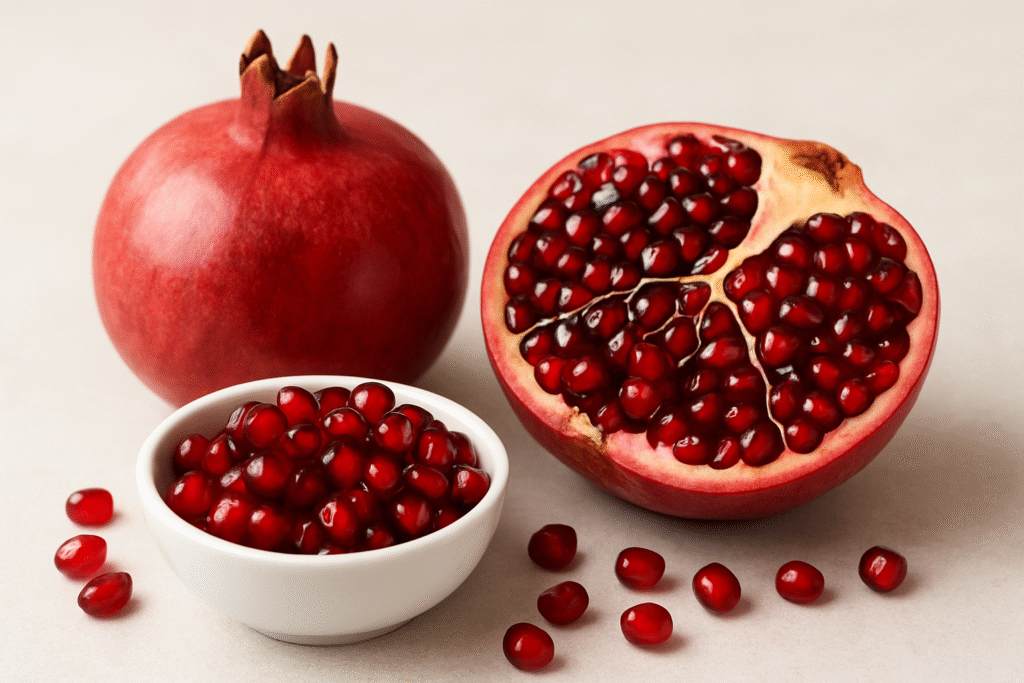
Pomegranate is one of the most powerful fruits known for its rich nutrients and healing properties. It has a long history in traditional medicine and modern nutrition. People across the world use it for better health, improved immunity, and natural energy.
This fruit stands out because of its bright seeds and sweet-tart taste. Moreover, it offers several scientifically proven benefits that support overall wellness. This blog explores its nutrition, benefits, and practical ways to include it in your daily routine.
What Makes Pomegranate a Superfruit
Pomegranate is loaded with vitamins, minerals, and plant compounds. It contains antioxidants that fight free radicals and protect body cells. These antioxidants are stronger than those found in many other fruits. Therefore, they help reduce inflammation and support long-term health. The fruit also provides dietary fiber, which improves digestion and helps maintain a healthy gut.
Rich Nutritional Profile
Pomegranate offers vitamin C, vitamin K, folate, and potassium. These nutrients play important roles in immunity, blood formation, and muscle function. The fruit also contains polyphenols, including punicalagins and anthocyanins. These plant compounds give pomegranate its deep red color and strong antioxidant power. As a result, the fruit supports several vital functions in the body.
Antioxidant Power
Pomegranate juice contains more antioxidants than green tea or red wine. These antioxidants protect the heart, blood vessels, and brain. They also slow the damage caused by oxidative stress. This damage can lead to aging, weak immunity, and chronic diseases. Regular intake of pomegranate reduces these risks and promotes healthy aging. It also supports faster recovery after physical stress.
Health Benefits of Pomegranate
Pomegranate supports almost every system in the body. Its benefits are backed by research and traditional knowledge. The fruit helps strengthen the heart, improve skin health, and boost digestion. Moreover, it has natural anti-inflammatory properties that help the entire body.
Supports Heart Health
Heart health improves when the body receives powerful antioxidants. Pomegranate reduces bad cholesterol and protects blood vessels from damage. It also improves blood flow and supports healthy blood pressure levels. These effects reduce the risk of heart disease. Many people include pomegranate juice in their daily diet for this reason. However, whole seeds provide more fiber and additional benefits.
Improves Digestive Health
Pomegranate seeds provide natural fiber that supports digestion. Fiber helps regulate bowel movements and prevents constipation. It also feeds good bacteria in the gut, which improves overall gut health. Better digestion leads to more energy and a stronger immune system. Therefore, nutritionists often recommend pomegranate for people with weak digestion. It is also gentle on the stomach and suitable for daily use.
Boosts Immunity
Pomegranate contains vitamin C and other immune-supportive nutrients. These nutrients strengthen the body’s defense system. They help the body fight infections and recover faster. Moreover, the antioxidants reduce inflammation, which further supports immunity. Regular consumption keeps you active and energetic. It also protects you during seasonal changes.
Promotes Healthy Skin
Healthy skin depends on hydration, collagen production, and protection from damage. Pomegranate supports all three. Its antioxidants protect the skin from sun damage and pollution. Vitamin C supports collagen production, which keeps the skin firm. As a result, the skin looks brighter and more youthful. People often use pomegranate seed oil in skincare routines. However, eating the fruit offers long-lasting benefits.
Enhances Memory and Brain Health
Pomegranate improves blood flow to the brain. Better blood flow supports memory, focus, and overall brain performance. Research suggests that pomegranate antioxidants reduce inflammation in the brain. This helps protect brain cells and delay age-related decline. Students and working professionals often include it in their diet for better concentration. It also supports emotional wellness by reducing oxidative stress.
Helps Balance Hormones
Pomegranate contains natural plant compounds that support hormonal balance. These compounds help reduce stress levels and support reproductive health. Women benefit from pomegranate during menstrual cycles due to its anti-inflammatory effect. Men may also see improved vitality and stamina. Therefore, the fruit is valuable for overall hormonal support.
How to Add Pomegranate to Your Daily Diet
Pomegranate is easy to include in meals. It works well in salads, smoothies, desserts, and juices. Many people enjoy eating the fresh seeds directly. The fruit blends well with yogurt, oats, and cooked dishes. It adds flavor, color, and nutrition wherever you use it. Moreover, it supports daily health goals without any complicated preparation.
Eat It Fresh
Fresh pomegranate seeds offer the most benefits. They provide fiber, antioxidants, and vitamins in natural form. Eating fresh seeds keeps you full for longer. It also helps regulate blood sugar levels. You can enjoy them as a snack or add them to meals throughout the day.
Use It in Smoothies
Pomegranate adds natural sweetness to smoothies. It blends well with berries, bananas, and yogurt. Smoothies made with pomegranate support hydration and energy. They also help muscle recovery after workouts. Therefore, many fitness enthusiasts prefer it in their drinks.
Add It to Salads
Pomegranate seeds add a refreshing crunch to salads. They pair well with vegetables, nuts, and leafy greens. This combination increases the nutritional value of your meal. The seeds also balance the flavors in savory dishes. As a result, your meal becomes both healthy and enjoyable.
Drink the Juice
Pomegranate juice offers strong antioxidant power. However, it is important to drink fresh juice without added sugars. Many packaged juices lose their nutrients during processing. Fresh juice supports the heart, skin, and digestive system. It also hydrates the body and boosts energy.
Precautions and Side Notes
Pomegranate is generally safe for most people. However, people with allergies should start with small amounts. Those on specific medications should consult a doctor before taking concentrated extracts. Natural fruit is usually safer than supplements. Moderate consumption provides the best benefits. Also, storing the fruit in a cool place keeps it fresh longer.
Conclusion
Pomegranate fruit is a simple yet powerful addition to your diet. It supports heart health, digestion, immunity, and skin quality. Moreover, it provides natural energy that helps you stay active. Including it in daily meals is easy and enjoyable. Start with a small serving each day and notice the difference in your health. Your body will thank you for choosing this vibrant and nourishing fruit.
Frequently Asked Questions (FAQs)
What is pomegranate fruit?
Pomegranate is a nutrient-rich fruit filled with red seeds called arils. It is known for its sweet-tart flavor and strong antioxidant power.
Is pomegranate good for daily use?
Yes. You can eat pomegranate every day. It supports digestion, heart health, immunity, and skin health.
Does pomegranate help improve heart health?
Pomegranate contains antioxidants that reduce inflammation and support healthy blood flow. As a result, it helps maintain good heart health.
Can pomegranate improve digestion?
The fruit contains natural fiber. This fiber supports smooth digestion and helps prevent constipation.
Is pomegranate good for skin?
Yes. Pomegranate supports collagen production and protects the skin from damage. It helps the skin look healthy and bright.
Does pomegranate boost immunity?
Pomegranate contains vitamin C and other antioxidants. These nutrients strengthen immunity and help the body fight infections.
Can people with diabetes eat pomegranate?
People with diabetes can eat pomegranate in moderate amounts. The fruit has natural sugars but also contains fiber that slows sugar absorption. It is still important to follow medical advice.
Is pomegranate juice as healthy as the seeds?
Pomegranate juice is healthy, but whole seeds are more beneficial because they contain fiber. Fresh juice is better than packaged juice.
How much pomegranate should I eat daily?
One medium fruit or half to one cup of seeds is a suitable daily amount for most people.
Are there any side effects of eating pomegranate?
Pomegranate is safe for most people. However, those with allergies or special medical conditions should consult a doctor before using concentrated extracts.
Glucagon Hormone: Functions, Importance & Metabolic Role
https://newsarmour.com/glucagon-hormone-functions/
Reference
- USDA Nutrition Data (Pomegranate)
https://fdc.nal.usda.gov - National Institutes of Health – Antioxidants Overview
https://www.ncbi.nlm.nih.gov - Healthline – Evidence-Based Benefits of Pomegranate
https://www.healthline.com - Mayo Clinic – Heart Health and Antioxidants
https://www.mayoclinic.org - WebMD – Pomegranate Health Information
https://www.webmd.com