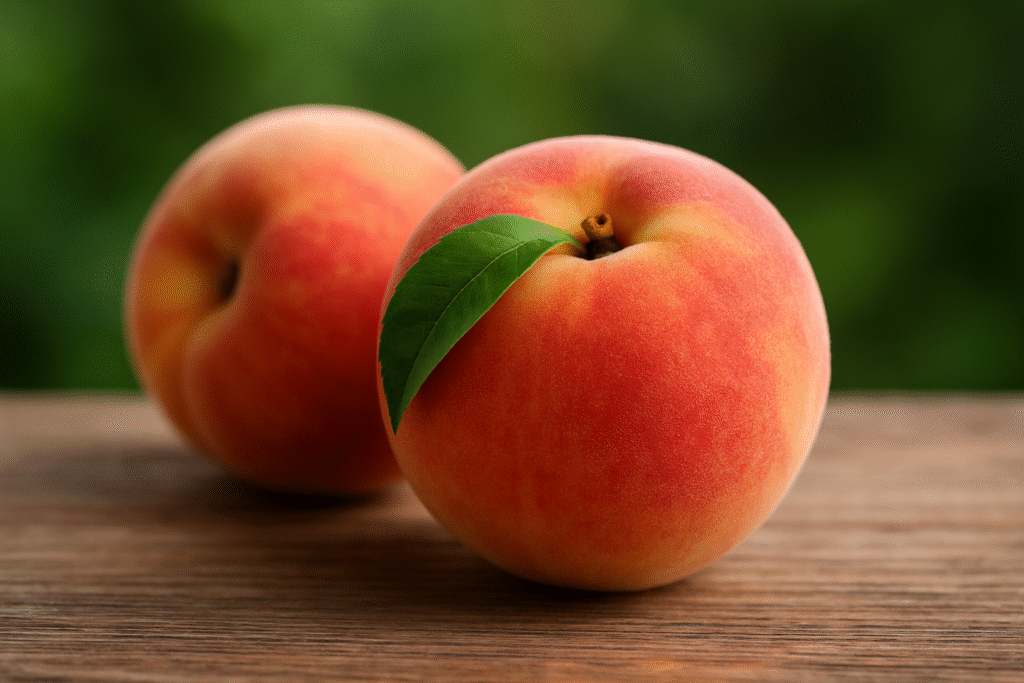
Peach fruit is one of the most loved summer fruits. It offers sweetness, softness, and a refreshing aroma. The fruit also provides many nutrients that support overall health. This simple and delicious fruit has been a part of many diets for centuries. Today, people enjoy peaches in various forms because they are versatile and healthy.
What Is Peach Fruit?
Peach fruit comes from the Prunus persica tree. It belongs to the same family as plums, cherries, and apricots. The fruit has a fuzzy outer skin and a soft, juicy inside. Most peaches have a yellow or white flesh. The taste is sweet with a slight tang. Therefore, it appeals to both adults and children.
Peaches grow mainly in warm climates. They also need plenty of sunlight to develop their full flavor. Farmers harvest peaches during the summer season when the fruits reach peak ripeness. Consumers enjoy them fresh, dried, cooked, and juiced.
Nutritional Value of Peaches
Peaches offer a strong nutritional profile even though they are low in calories. They contain vitamins, minerals, antioxidants, and fiber. These nutrients help support daily functions. Moreover, peaches provide hydration because they have high water content.
Peaches contain vitamin C, which promotes immunity. They also provide vitamin A, potassium, and beneficial plant compounds. As a result, they support healthy skin, digestion, and heart function.
Health Benefits of Eating Peaches
Supports Skin Health
Peaches are rich in vitamin C and antioxidants. These nutrients help protect the skin from damage. They also support collagen production. As a result, your skin may look firmer and brighter. Regular intake may reduce dullness and dryness.
Improves Digestion
Peaches contain fiber, which supports smooth digestion. The fiber helps regulate bowel movements. Therefore, it may prevent constipation. A hydrated fruit like peach also supports the digestive process. People often feel lighter after including peaches in their diet.
Boosts Immunity
Vitamin C plays a key role in immune health. Peaches offer natural vitamin C that supports your body’s defense system. Moreover, antioxidants fight free radicals. This reduces inflammation and improves overall wellness.
Supports Heart Health
Peaches may support heart function in several ways. They contain potassium, which helps balance blood pressure. The antioxidants also reduce oxidative stress. Therefore, they protect the heart from long-term damage. People who include fruits daily often notice better cardiovascular health.
Helps Maintain Healthy Weight
Peaches are low in calories and high in water. Therefore, they help control hunger. They also provide natural sweetness without adding too much sugar. As a result, they help people manage weight in a healthy way. Snacking on a peach instead of a processed dessert is a healthier choice.
Uses of Peach Fruit
Fresh Consumption
Most people enjoy peaches fresh. Fresh peaches offer the highest nutrition. They also taste soft, sweet, and juicy. You can eat them as a snack or include them in salads.
Smoothies and Juices
Peaches blend well in smoothies. They add natural sweetness and creaminess. Moreover, peach juice feels refreshing on hot days. Many people pair peaches with yogurt, banana, or berries.
Cooking and Baking
Peaches are used in pies, cakes, and desserts. They also pair well with oats and pancakes. Some people cook peaches with spices to create warm and aromatic dishes. The fruit adds a sweet flavor to both sweet and savory recipes.
Dried Peaches
Dried peaches are a convenient snack. They last longer and provide concentrated nutrients. However, they contain more calories because the water is removed. Therefore, it is best to enjoy them in moderation.
Peach Jam and Preserves
Peach jam is popular in many homes. It spreads easily on bread and pairs well with butter. The flavor is sweet and comforting. However, it contains added sugar. Therefore, people should consume it sparingly.
How to Select and Store Peaches
Choosing the right peach ensures better taste and nutrition. A ripe peach feels slightly soft when pressed gently. It also carries a sweet smell. However, avoid peaches with bruises or deep cuts.
Store ripe peaches in the refrigerator. They stay fresh for a few days. However, unripe peaches should be kept at room temperature. They ripen slowly and develop better sweetness.
Peaches spoil quickly in humid environments. Therefore, keep them dry. You can also freeze peach slices to enjoy them later. Frozen peaches work well in smoothies and desserts.
How to Add Peaches to Your Diet
Adding peaches to your diet is simple. You can enjoy them in yogurt bowls. They also work well in fruit salads. Some people grill peaches for a smoky flavor. This technique offers a unique taste that pairs well with salads and desserts.
Moreover, you can add peaches to your morning oats. The fruit adds freshness and sweetness. You can also combine peaches with nuts, seeds, and honey.
Side Effects and Precautions
Peaches are safe for most people. However, some individuals may experience allergies. The symptoms include itching, swelling, or discomfort. These effects are rare but possible. Therefore, people with known fruit allergies should be careful.
Moreover, canned peaches may contain added sugar. This reduces their nutritional value. Therefore, fresh peaches are always a better option. People with diabetes should monitor portion sizes.
Environmental Impact of Peach Farming
Peach farming requires water, sunlight, and proper soil conditions. Sustainable practices help protect the environment. Farmers are using modern techniques to reduce waste. Moreover, organic farming avoids harmful chemicals. Consumers can support these methods by choosing responsibly grown peaches.
Conclusion
Peach fruit offers taste, nutrition, and versatility. It fits easily into daily meals and snacks. Moreover, it supports skin health, digestion, and immunity. People who include peaches in their diet enjoy many benefits. You can eat them fresh, blend them into smoothies, or add them to desserts. The fruit adds color and sweetness to any dish.
Healthy eating begins with simple choices. Therefore, adding peaches to your routine can make a positive difference. Start with one peach a day and enjoy its natural goodness.
Frequently Asked Questions
Are peaches good for skin?
Yes, peaches support skin health because they contain vitamin C and antioxidants.
Can people with diabetes eat peaches?
Yes, people with diabetes can eat peaches in moderation. Fresh peaches are better than canned ones.
Can I eat peaches at night?
Yes, you can eat peaches at night. They are light and easy to digest.
Are peaches high in sugar?
Peaches contain natural sugar, but the amount is moderate. They are healthier than processed sweets.
How many peaches can I eat per day?
One to two peaches per day is a balanced amount for most people.
Blackberry Fruit Benefits: Nutrition, Uses & Health Guide
https://newsarmour.com/blackberry-fruit-benefits/
Reference
- USDA FoodData Central – Peach Nutrition
https://fdc.nal.usda.gov/fdc-app.html#/food-details/169910/nutrients - Harvard School of Public Health – Fruit and Health
https://www.hsph.harvard.edu/nutritionsource/healthy-eating-plate/fruits/ - Cleveland Clinic – Health Benefits of Peaches
https://health.clevelandclinic.org/peach-benefits/ - Medical News Today – Peach Nutrition Facts
https://www.medicalnewstoday.com/articles/peaches - National Center for Biotechnology Information (NCBI) – Antioxidants in Fruits
https://www.ncbi.nlm.nih.gov/pmc/articles/PMC4425174/