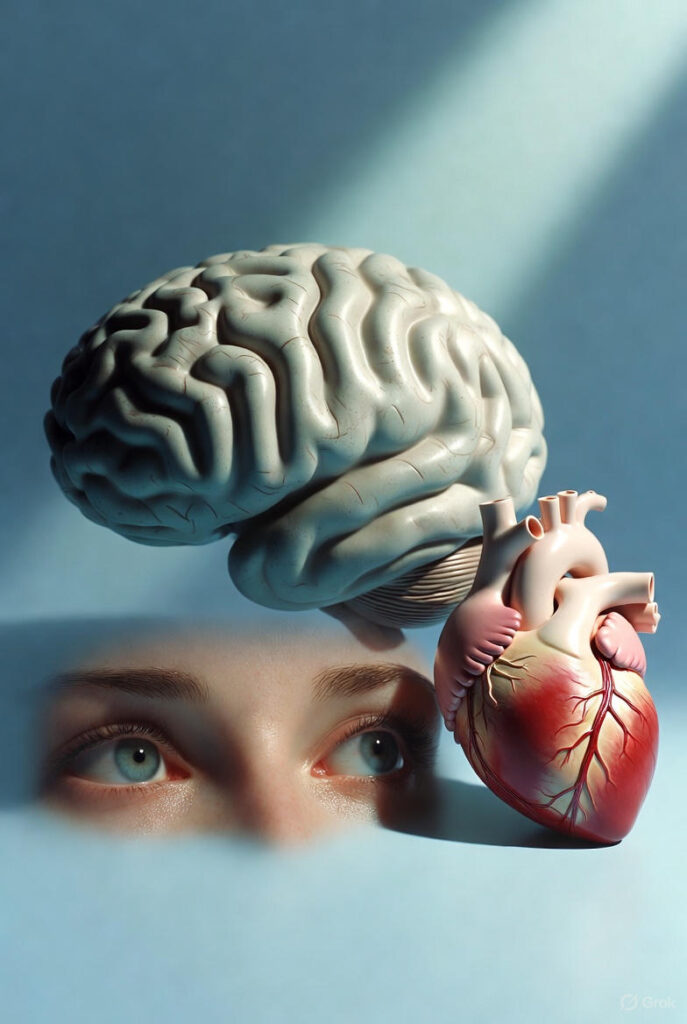
Noradrenaline, also known as norepinephrine, is a vital hormone and neurotransmitter. It plays an important role in the body’s stress response. It also helps the brain stay alert, focused, and ready for action. Most people know it as the hormone that prepares the body to fight or escape danger. However, its work continues even when the body is calm.
This hormone balances mood, improves thinking, and supports many essential functions. As a result, any imbalance affects mental and physical health. Understanding noradrenaline helps you recognize its role in daily well-being.
What Is Noradrenaline?
Noradrenaline is produced in both the adrenal glands and the brain. It is part of the sympathetic nervous system. This system manages the body’s reaction to stress and emergencies. When danger appears, the body releases noradrenaline within seconds. This rapid release increases energy and alertness.
The hormone also works as a chemical messenger in the brain. It helps nerve cells communicate smoothly. Therefore, it supports attention, memory, and emotional balance. Many mental health conditions link to changes in noradrenaline levels.
Why the Body Needs Noradrenaline
The body depends on noradrenaline to maintain stability. It regulates heart rate and blood pressure. It also increases blood flow to muscles during stressful events. Moreover, it improves reaction speed and sharpens the senses.
Daily life requires consistent noradrenaline activity. You focus better because of this hormone. You also stay motivated and alert during tasks. Even simple actions like waking up depend on its signals. Low levels make daily routines harder to manage.
How Noradrenaline Affects Mood
Noradrenaline influences emotional strength. It supports confidence, motivation, and the ability to handle pressure. When levels remain steady, the mind stays clear and balanced. However, sudden changes create emotional instability.
Low noradrenaline often links to depression. People may feel tired, unmotivated, or emotionally drained. High levels may cause anxiety, restlessness, or irritability. Therefore, balance is the key to a calm and focused state of mind.
The Fight-or-Flight Response
This response is the body’s emergency system. Noradrenaline activates this system quickly. Heart rate jumps, breathing becomes faster, and energy rises. These changes prepare the body to protect itself.
The hormone also sharpens attention. You notice more details and react faster. The brain becomes more alert to danger. As a result, survival improves during stressful conditions. This natural response has protected humans for thousands of years.
Noradrenaline and the Brain
The brain uses noradrenaline for communication. Nerve cells release it during thought processes. This release supports focus, memory, and decision-making. It also improves mental energy and alertness.
People with attention disorders often show low noradrenaline levels. Therefore, some medications increase the hormone to enhance focus. The brain needs a stable supply for clear thinking. A small change in levels disrupts mental performance.
Physical Functions Controlled by Noradrenaline
The hormone affects several vital organs. It tightens blood vessels to maintain blood pressure. It also supports the heart during physical stress. Moreover, it increases glucose release for quick energy.
These actions protect the body during emergencies. They also help during workouts, sudden activity, or demanding tasks. Without noradrenaline, the body becomes slow and less responsive.
Causes of Noradrenaline Imbalance
Several factors affect noradrenaline levels. Chronic stress raises production for long periods. This constant demand exhausts the body over time. As a result, levels may drop suddenly.
Lack of sleep affects hormone balance as well. Poor diet, alcohol, and certain medications also disturb normal levels. Moreover, mental health conditions influence noradrenaline activity. Genetics may also play a key role.
Symptoms of Low Noradrenaline
People with low levels often feel tired and unfocused. They struggle with concentration and motivation. Mood may drop without a clear reason. Daily tasks may feel harder than usual.
Some people experience dizziness or low blood pressure. They may also feel slow or mentally foggy. These symptoms appear slowly. Therefore, many people ignore them for months.
Symptoms of High Noradrenaline
High levels create restlessness and anxiety. The heart beats faster even without physical activity. People may feel nervous or irritated. Sleep patterns often become disturbed as well.
Headaches and sweating may also appear. These symptoms affect daily comfort. High levels make simple situations feel stressful. Therefore, identifying the cause becomes important.
Diagnosis and Treatment
Doctors use blood tests and medical evaluations to understand hormone balance. They also study symptoms and lifestyle patterns. Early diagnosis helps prevent long-term issues.
Treatment depends on the cause. Stress management plays a major role. Lifestyle changes help stabilize levels naturally. Good sleep, proper nutrition, and regular exercise support healthy hormone activity.
Medications may be required in some cases. Doctors prescribe them based on individual needs. Therapy also helps in restoring emotional balance. The goal is to maintain steady noradrenaline levels for overall health.
Lifestyle Tips to Support Noradrenaline Balance
Daily habits strongly influence noradrenaline. A calm routine reduces unnecessary stress. Healthy food boosts hormone regulation. Protein-rich meals help maintain steady levels. Moreover, physical activity increases natural production.
Meditation and deep breathing calm the nervous system. These practices improve balance without medication. Consistent sleep restores hormone cycles. As a result, mental and physical energy improves.
Conclusion
Noradrenaline is a powerful hormone that influences the mind and body. It supports focus, motivation, and stress response. It also protects the body during challenging situations. A balanced level keeps life smoother and healthier. You can support this balance through simple habits and mindful living. Start with small steps and build a healthier routine every day. Your body and mind will thank you for it.
FAQs
What is the main function of noradrenaline?
It prepares the body for stress by increasing alertness, energy, and heart rate.
What causes low noradrenaline levels?
Chronic stress, poor sleep, nutritional issues, and certain medical conditions can reduce levels.
Can high noradrenaline cause anxiety?
Yes. High levels often trigger anxiety, restlessness, and rapid heart rate.
How can I increase noradrenaline naturally?
Healthy food, regular exercise, good sleep, and stress management help raise levels naturally.
Is noradrenaline the same as adrenaline?
No. Both hormones support stress response, but noradrenaline focuses more on alertness and blood pressure control.
Adrenaline Hormone: Functions, Effects, and Health Guide
https://newsarmour.com/adrenaline-hormone/
Reference
- Cleveland Clinic – Norepinephrine
https://my.clevelandclinic.org/health/body/21638-norepinephrine - Hormone Health Network – Stress Hormones
https://www.endocrine.org/patient-engagement/endocrine-library/hormones-and-stress - National Library of Medicine – Norepinephrine Overview
https://medlineplus.gov/ency/article/003705.htm - Verywell Mind – Norepinephrine and Mental Health
https://www.verywellmind.com/what-is-norepinephrine-2795463 - Healthline – Norepinephrine Functions and Disorders
https://www.healthline.com/health/norepinephrine