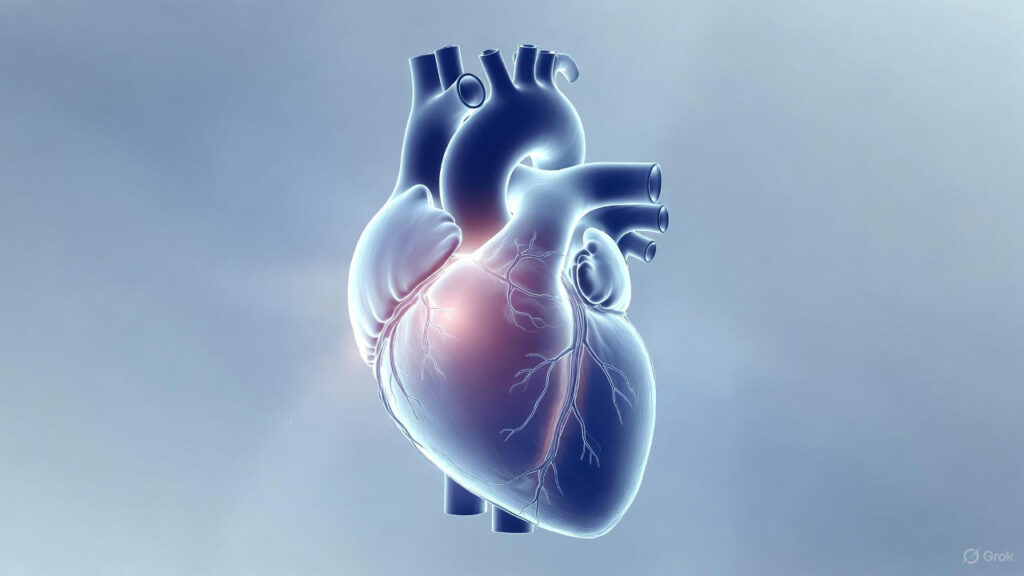
Left side heart failure is a serious medical condition that affects many people worldwide. It occurs when the left side of the heart cannot pump blood effectively. As a result, blood backs up into the lungs and creates breathing problems. This condition needs proper care and early treatment. It can improve life quality and reduce complications.
What Is Left Side Heart Failure?
Left side heart failure happens when the left ventricle weakens. This chamber normally sends oxygen-rich blood to the entire body. However, its pumping ability decreases in this condition. The body then struggles to receive enough oxygen. This process places extra pressure on the lungs and heart.
Two types of left side heart failure exist. One type involves reduced ejection fraction. The heart cannot pump with enough force. The other type involves preserved ejection fraction. The heart becomes stiff and cannot relax well. Both types can cause similar symptoms.
Common Symptoms
Left side heart failure produces symptoms that affect daily life. Shortness of breath is the most common sign. It usually appears during activity. However, many people also feel breathless while resting. This happens because fluid builds up in the lungs.
Another common symptom is fatigue. The body receives less oxygen, so energy drops. People often struggle to do simple tasks. They may also feel weak or tired throughout the day.
Chest discomfort may occur in some cases. Palpitations can also appear. The heart tries to work harder to maintain blood flow. As a result, the rhythm may change.
Swelling can develop too. However, swelling is more common in right side heart failure. Still, some people with left side failure experience mild swelling in their legs.
Main Causes
Several conditions can lead to left side heart failure. Coronary artery disease is the most common cause. Blocked arteries reduce blood flow to the heart. The muscle becomes weak and cannot pump well.
High blood pressure is another major cause. It forces the heart to work harder. Over time, the heart thickens and loses strength.
Heart valve problems may also trigger this condition. Damaged valves interrupt smooth blood flow. This creates stress on the left ventricle.
Cardiomyopathy can weaken the heart muscle. Infections, alcohol use, or genetic factors may cause it. Arrhythmias can also reduce pumping efficiency. Moreover, diabetes increases the risk because it affects the blood vessels.
How It Affects the Lungs
Left side heart failure directly impacts the lungs. Blood backs up into the pulmonary veins. These veins normally carry oxygen-rich blood. However, increased pressure pushes fluid into lung tissues. This process creates congestion and breathing difficulties.
People often experience coughing. The cough may worsen at night. Lying down increases pressure in the chest. Therefore, sleeping with pillows may help. Some people also wake up suddenly with a feeling of drowning. This condition is known as paroxysmal nocturnal dyspnea.
Diagnosis
Doctors use several tests to diagnose left side heart failure. A physical exam is the first step. The doctor listens to the heart and lungs. They check for fluid buildup and irregular rhythms.
Blood tests help detect markers of heart damage. They also show how well the body organs work. An electrocardiogram checks electrical activity. It identifies rhythm problems.
An echocardiogram is the most important test. It shows the heart’s structure and pumping ability. Doctors measure the ejection fraction through this test. Chest X-rays reveal lung congestion. In some cases, CT scans or MRI scans may help.
Stress tests show how the heart works under pressure. Cardiac catheterization may be required for severe cases. This test identifies artery blockages and measures pressure inside the heart.
Treatment Options
Treatment depends on the cause and severity. Lifestyle changes form the foundation. Doctors advise a low-sodium diet. Salt attracts water and increases fluid retention. Therefore, reducing sodium helps ease symptoms.
Regular exercise also improves heart strength. However, the exercise plan should match individual ability. Quitting smoking plays a major role too. Smoking restricts blood flow and weakens the heart.
Medications are essential for controlling symptoms. Diuretics remove excess fluid. They improve breathing and reduce swelling. ACE inhibitors relax blood vessels. They lower blood pressure and help the heart pump easily. Beta-blockers slow the heart rate. This reduces strain on the heart. Other drugs may be prescribed based on the condition.
Some patients need advanced treatment. Pacemakers help regulate heart rhythm. In severe cases, a ventricular assist device supports heart function. Heart transplant becomes an option when all treatments fail.
Complications
Left side heart failure can cause many complications. Fluid in the lungs can become severe. This leads to acute pulmonary edema. It needs urgent treatment.
Kidney damage may develop because poor blood flow affects filtration. Liver problems can occur due to congestion. Heart rhythm disorders may also arise. Moreover, untreated heart failure can lead to organ failure.
Living With Left Side Heart Failure
People can live well with proper management. Regular checkups help track changes. Early adjustments prevent complications. Taking medications on time is important. Diet and exercise also support long-term health.
Stress management plays a key role. The heart reacts to emotional pressure. Therefore, relaxation techniques can help. Gentle breathing, meditation, or yoga may reduce stress levels. Family support also improves mental strength.
Prevention Tips
Prevention focuses on heart health. Maintaining normal blood pressure protects the heart. A balanced diet supports healthy blood vessels. Regular exercise improves circulation. Avoiding tobacco and limiting alcohol also help.
People with diabetes should maintain stable blood sugar levels. Early treatment of heart conditions reduces long-term damage. Therefore, routine health checks are essential.
Conclusion
Left side heart failure is a serious but manageable condition. Early diagnosis helps reduce complications. Proper treatment and lifestyle changes improve long-term outcomes. You can protect your heart by understanding the symptoms and taking action. Stay proactive, stay informed, and take steps toward a healthier future. Your heart deserves care every day.
FAQs
What is the main difference between left and right side heart failure?
Left side heart failure affects the lungs, while right side heart failure affects the body’s veins.
Can left side heart failure be cured?
It cannot be completely cured, but treatment can improve symptoms.
Is exercise safe for people with this condition?
Yes, but the exercise plan should be approved by a doctor.
Does left side heart failure get worse over time?
It can worsen without proper care, but early treatment slows progression.
What foods should be avoided?
High-salt foods should be avoided because they increase fluid retention.
Takotsubo Cardiomyopathy: Causes, Symptoms & Treatment
https://newsarmour.com/takotsubo-cardiomyopathy/
Reference
- https://www.heart.org/en/health-topics/heart-failure – American Heart Association
- https://www.cdc.gov/heartdisease/heart_failure.htm – Centers for Disease Control and Prevention
- https://www.nhlbi.nih.gov/health/heart-failure – National Heart, Lung, and Blood Institute
- https://www.mayoclinic.org/diseases-conditions/heart-failure/symptoms-causes/syc-20373142 – Mayo Clinic
- https://medlineplus.gov/heartfailure.html – MedlinePlus (U.S. National Library of Medicine)