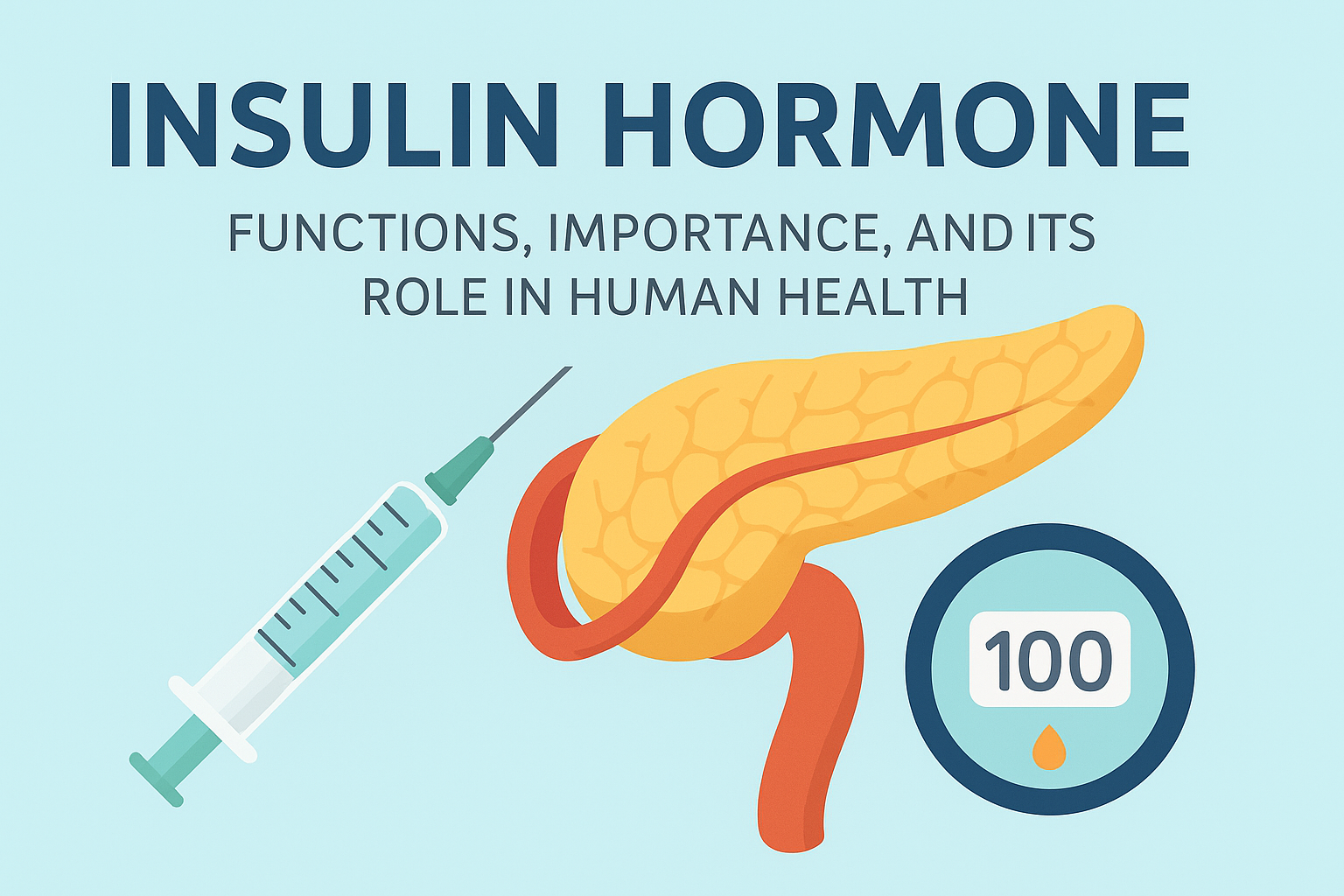
Insulin is one of the most important hormones in the human body. It helps control the way your body uses energy. It also maintains healthy blood sugar levels throughout the day. Many people hear about insulin only in relation to diabetes.
However, its role is far wider and deeper. Understanding insulin can help you take better control of your health. It can also help you prevent many lifestyle diseases.
What Is Insulin Hormone?
Insulin is a natural hormone that your pancreas produces. More specifically, it comes from beta cells located in the pancreas. These cells release insulin into your bloodstream when your blood sugar level rises. This usually happens after you eat food. As a result, your body gets a signal to use or store glucose for energy.
This process may sound simple. However, it is a complex and essential function that keeps your body balanced. Without insulin, your cells would not receive enough glucose. Therefore, they would not get the fuel they need to work properly. This can lead to severe health problems if not managed in time.
How Insulin Works Inside the Body
Your body converts carbohydrates into glucose. This glucose enters your bloodstream. As blood sugar rises, your pancreas receives a signal. It quickly releases insulin. The hormone then helps move glucose from your blood into your cells. Your cells use this glucose to produce energy for daily activities. In addition, some of it gets stored for future use.
This system works smoothly in a healthy person. However, problems begin when the body produces too little insulin or stops responding to it. This condition is known as insulin resistance. It often leads to higher blood sugar levels. Over time, it may develop into type 2 diabetes.
Why Insulin Is So Important
Insulin does much more than control sugar levels. It also helps your body store excess glucose in your liver. This stored form is known as glycogen. Your body can use it later when energy levels drop. Moreover, insulin plays a role in fat storage. It signals fat cells to absorb excess glucose. This is why high insulin levels may lead to weight gain.
The hormone also influences protein metabolism. It helps your muscles absorb amino acids. As a result, it supports muscle growth and repair. Because of these combined functions, insulin is vital for overall metabolic health.
Insulin and Energy Balance
Your body always tries to maintain energy balance. Insulin plays a central role in this process. It works closely with other hormones, such as glucagon. Glucagon raises blood sugar when it drops too low. Insulin, on the other hand, reduces blood sugar when it gets too high. This balance keeps your body functioning properly. Any disturbance in this cycle can create health challenges.
Insulin also ensures that your brain gets a steady supply of glucose. The brain relies heavily on glucose to perform tasks. Therefore, stable insulin levels are important for mental alertness, memory, and focus.
Insulin Resistance: A Growing Concern
Insulin resistance occurs when your cells stop responding to insulin. The pancreas tries to fix this by producing more insulin. At first, this may help. However, the body cannot keep up with the rising demand for long. As a result, blood sugar levels remain high. Many people do not notice insulin resistance in its early stages. They may feel tired, hungry, or gain weight. These changes may appear minor at first. However, they can lead to serious health issues.
Moreover, insulin resistance increases the risk of type 2 diabetes, heart disease, obesity, and fatty liver disease. It also affects hormone balance in the body. Early detection is important. A healthy lifestyle can often reverse insulin resistance.
Common Causes of Insulin Resistance
Insulin resistance develops due to many lifestyle factors. Poor diet is one of the main causes. High intake of sugar, refined carbs, and processed foods puts extra pressure on the pancreas. Lack of physical activity also reduces insulin sensitivity. When muscles remain inactive, they absorb less glucose. As a result, the body needs more insulin to manage sugar levels.
Stress is another factor. It raises cortisol levels in the body. Higher cortisol makes your cells less responsive to insulin. Sleep deprivation has a similar effect. Genetics also play a role. However, lifestyle still influences the overall outcome.
Symptoms Related to Insulin Issues
Many people ignore the early symptoms of insulin imbalance. However, the signs are clear when you pay attention. Frequent hunger is one common sign. Tiredness is another. You may also notice sudden weight gain, especially around the abdomen. Dark patches on the skin may appear in some cases. These usually occur around the neck or armpits.
Mood swings, sugar cravings, and difficulty losing weight are also linked to poor insulin response. If these symptoms continue for long periods, it is wise to consult a doctor.
Importance of Insulin for People With Diabetes
People with type 1 diabetes cannot produce insulin. Therefore, they need insulin injections to survive. Their immune system destroys pancreatic beta cells. Without treatment, their blood sugar rises quickly. Insulin therapy helps them maintain stable sugar levels.
People with type 2 diabetes, however, often produce insulin. Their cells simply do not respond to it. Lifestyle changes can help improve insulin sensitivity. Sometimes, medication becomes necessary. In severe cases, type 2 diabetes patients may also need insulin therapy.
Lifestyle Habits That Improve Insulin Function
Healthy habits can support better insulin performance. Regular physical activity is one of the best tools. Exercise makes your muscles absorb glucose more efficiently. As a result, your body needs less insulin to control sugar levels. Walking, cycling, yoga, and strength training all help.
A balanced diet is also essential. Choose whole foods over processed ones. Include fiber-rich vegetables, whole grains, nuts, seeds, and lean proteins. These foods release glucose slowly. Therefore, they prevent sudden spikes in blood sugar.
Staying hydrated helps your body regulate sugar more effectively. Proper sleep improves hormone balance. Stress management techniques such as meditation also support insulin sensitivity.
Natural Foods That Help Balance Insulin
Many foods promote healthy insulin function. Cinnamon may help improve insulin sensitivity. Fenugreek seeds also support glucose metabolism. Moreover, fiber-rich foods keep sugar levels steady. These include leafy vegetables, oats, lentils, and fruits. Healthy fats such as olive oil and avocados also play a positive role.
However, no single food can fix insulin issues. A consistent and balanced diet is necessary. Your daily choices shape your long-term health.
The Link Between Insulin and Weight Management
Insulin has a strong relationship with body weight. When insulin levels stay high, your body stores more fat. This makes weight loss harder. However, improving insulin sensitivity can make weight management easier. As a result, you may lose weight more steadily.
Eating smaller and regular meals can help. Avoiding sugar-laden snacks is also important. Exercise plays a major role here as well. When your muscles stay active, they help burn stored glucose. This reduces the need for extra insulin.
Insulin in Hormonal Balance
Your body relies on many hormones to function smoothly. Insulin interacts with several of them. It influences cortisol, estrogen, testosterone, and growth hormone. Any imbalance in insulin levels can disturb other hormones as well. This may lead to problems such as PCOS, mood changes, or weight gain.
Therefore, maintaining stable insulin levels supports overall hormonal health. It creates a healthy environment inside your body.
How to Maintain Healthy Insulin Levels Long Term
Consistency is the key to maintaining healthy insulin levels. Small changes add up over time. Eating whole foods most of the time helps. Regular movement keeps your muscles active. Adequate sleep supports hormonal balance. Managing stress keeps cortisol low. These habits strengthen your body’s natural response to insulin.
Regular health check-ups are also important. Blood tests can identify early signs of insulin resistance. Early detection allows timely changes.
Conclusion
Insulin is a powerful hormone that controls energy, metabolism, and overall wellness. It plays a central role in how your body uses and stores glucose. When insulin works well, your body remains balanced. When it does not, many health issues emerge. The good news is that you can support your insulin health through daily habits. Small, consistent steps make a big difference. You have the power to improve your metabolism and protect your long-term health. Start today, and move toward a healthier and more energetic life.
FAQs
What is the main function of the insulin hormone
Insulin helps move glucose from the bloodstream into the cells. The cells then use this glucose to produce energy.
What happens if insulin levels become too high
Consistently high insulin levels may lead to weight gain, insulin resistance, and increased risk of type 2 diabetes.
Can insulin resistance be reversed
In many cases, yes. Exercise, weight management, healthy food choices, and proper sleep can improve insulin sensitivity.
Does insulin affect weight loss
Yes. Balanced insulin levels support weight loss. High insulin promotes fat storage, which can slow weight reduction.
Which foods help improve insulin sensitivity
Foods rich in fiber, such as vegetables, whole grains, oats, lentils, and fruits, support healthy insulin levels. Healthy fats and certain spices like cinnamon may also help.
Dopamine: The Brain Chemical That Drives Motivation
https://newsarmour.com/dopamine-brain-motivation-focus/
Reference
- Cleveland Clinic – Insulin Overview
https://my.clevelandclinic.org/health/body/22601-insulin - CDC – Insulin Resistance & Type 2 Diabetes
https://www.cdc.gov/diabetes/about/insulin-resistance-type-2-diabetes.html - NIDDK (NIH) – How Insulin Works
https://www.niddk.nih.gov/health-information/diabetes/overview/what-is-diabetes/insulin - NCBI – Insulin Resistance Clinical Review
https://www.ncbi.nlm.nih.gov/books/NBK507839/ - Harvard Health – Blood Sugar Regulation
https://www.health.harvard.edu/staying-healthy/understanding-blood-sugar-regulation