Inhibin is an important hormone that plays a key role in human reproductive health. It regulates the production of follicle-stimulating hormone. This control helps maintain balance in the reproductive system.
Understanding how inhibin works can improve awareness about fertility and hormonal health. It also helps you make informed decisions about your body.
What Is the Inhibin Hormone
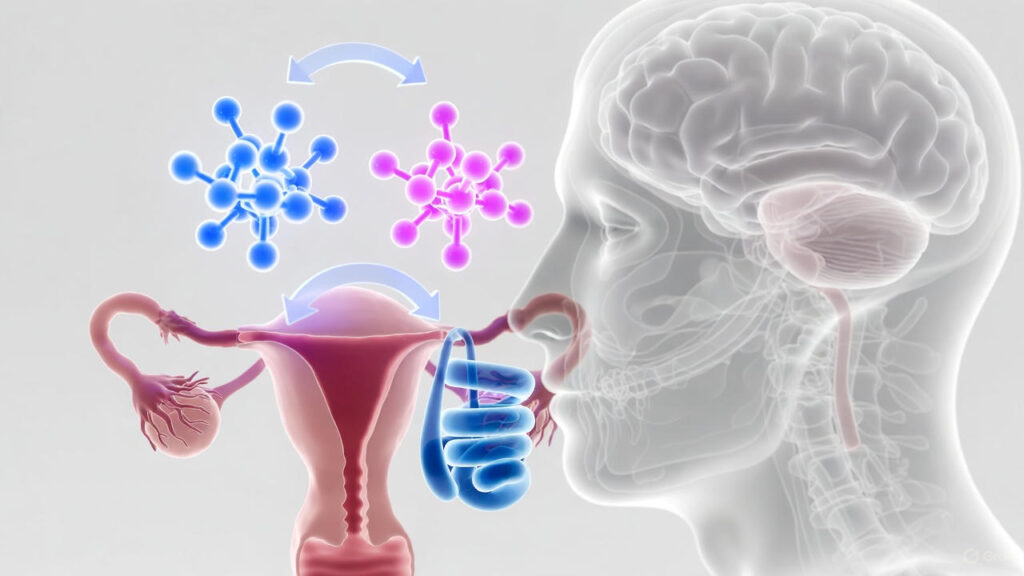
Inhibin is a protein hormone. It is released mainly from the gonads. The ovaries release it in females, and the testes release it in males. It works by controlling the secretion of follicle-stimulating hormone from the pituitary gland. This action helps maintain hormonal balance in both male and female.
Moreover, inhibin has two main forms. These are inhibin A and inhibin B. Both play different roles during the reproductive cycle. Their levels change across different stages of growth, puberty, and adulthood.
How Inhibin Works in the Body
The hormone works through a feedback system. It reduces the amount of follicle-stimulating hormone in the blood. As a result, the body maintains a stable level of reproductive hormones. This feedback loop is essential for fertility.
In females, inhibin levels rise and fall during the menstrual cycle. They influence the development of follicles. They also help regulate the release of eggs. In males, inhibin supports sperm production. It also signals the testes to stay in balance with follicle-stimulating hormone.
Therefore, inhibin is important for both male and female reproductive function. It creates harmony between the brain and the reproductive organs.
Role of Inhibin in Females
In females, inhibin plays many roles. It helps control follicle development. It also supports the menstrual cycle. Furthermore, it maintains hormonal balance.
Inhibin A in Females
Inhibin A rises after ovulation. It is released by the corpus luteum. This form helps maintain the second half of the menstrual cycle. Its level also provides information about pregnancy health. Doctors often check inhibin A levels during prenatal screening. Low or high levels may indicate certain conditions.
Inhibin B in Females
Inhibin B rises in the early menstrual cycle. It supports the growth of ovarian follicles. It also helps regulate follicle-stimulating hormone. Additionally, inhibin B levels offer insight into ovarian reserve. Low levels may signal reduced fertility. Therefore, it is often measured in fertility tests.
Overall, the two types of inhibin work together. They help control the menstrual cycle. They also support female fertility and reproductive health.
Role of Inhibin in Males
Males also need inhibin for healthy reproductive function. The hormone is produced by Sertoli cells in the testes. It helps regulate follicle-stimulating hormone. This regulation supports sperm production.
Moreover, inhibin B is the main type present in men. It reflects sperm-producing activity. Higher inhibin B levels usually show better sperm production. Lower levels may indicate reduced fertility. Therefore, inhibin B is used as a marker in male fertility tests.
Inhibin also helps maintain hormonal balance. It keeps the reproductive system functioning smoothly. Healthy inhibin levels contribute to better sperm health and overall hormonal stability.
Inhibin and Fertility
Inhibin is closely linked with fertility in both male and female. It helps control the hormones that influence egg development. It also affects sperm production. When inhibin levels are normal, the reproductive system functions well. However, irregular levels may affect fertility.
In women, low inhibin B may point to reduced ovarian reserve. This condition is common with aging. It may also appear in some fertility disorders. High inhibin A may relate to certain pregnancy conditions. Therefore, doctors use both forms to evaluate reproductive health.
In men, low inhibin B may signal issues in sperm formation. It may suggest reduced testicular function. Measuring inhibin levels can provide valuable information during fertility evaluation.
Medical Uses of Inhibin Testing
Doctors often recommend inhibin tests for different reasons. These tests help identify fertility problems. They also help assess pregnancy health. In addition, they can detect certain reproductive disorders.
In fertility clinics, inhibin B tests help evaluate ovarian reserve. They guide treatment decisions for women. In men, these tests help understand sperm-producing capacity. Therefore, inhibin tests support accurate diagnosis and effective planning.
Prenatal screenings also include inhibin A. This test helps identify risks related to pregnancy. It offers vital information for early medical care. Moreover, it supports a safe and informed journey through pregnancy.
Inhibin and Hormonal Balance
The hormone keeps the reproductive system in balance. It works with other hormones like estrogen, progesterone, and testosterone. This teamwork maintains a stable hormonal environment.
However, when levels shift, hormonal imbalance may occur. Such changes may affect the menstrual cycle. They may also influence sperm production. Therefore, monitoring inhibin is essential in several health conditions.
Maintaining hormonal balance supports physical and emotional well-being. It also supports a healthy reproductive life.
Factors That Affect Inhibin Levels
Many factors influence inhibin levels. Age is a major factor. Levels naturally decline in women as they approach menopause. This decline reflects changes in ovarian reserve. Stress may also impact hormonal balance. Lifestyle habits, including sleep and nutrition, may affect levels too.
In men, health conditions related to the testes can lower inhibin B. Certain medical treatments may also influence levels. Therefore, understanding these factors helps protect hormonal health.
Regular check-ups are useful for people planning a family. They help track hormone levels early. They also support timely treatment when needed.
Conclusion
Inhibin is a powerful hormone that plays a central role in reproductive health. It guides fertility, hormonal balance, and overall reproductive function. Understanding how it works can help you take charge of your health.
If you are planning a family, considering fertility treatment, or simply learning about your body, knowing your inhibin levels can provide useful insights. Stay informed, stay proactive, and always seek guidance from qualified health professionals.
Your hormonal health matters. Start caring for it today.
FAQs
What is the main function of the inhibin hormone
The main function is to control follicle-stimulating hormone. This action helps maintain reproductive balance.
What is the difference between inhibin A and inhibin B
Inhibin A rises after ovulation. Inhibin B rises in the early menstrual cycle. Both support fertility.
What does low inhibin B mean in women
Low inhibin B may indicate low ovarian reserve. It often affects fertility.
What does inhibin B indicate in men
It reflects sperm-producing activity. Low levels may show reduced fertility.
Is inhibin testing useful in pregnancy
Yes. Inhibin A is part of prenatal screening. It helps identify certain pregnancy risks.
Progesterone Hormone: Functions, Symptoms & Health Guide
https://newsarmour.com/progesterone-hormone-functions-importance/