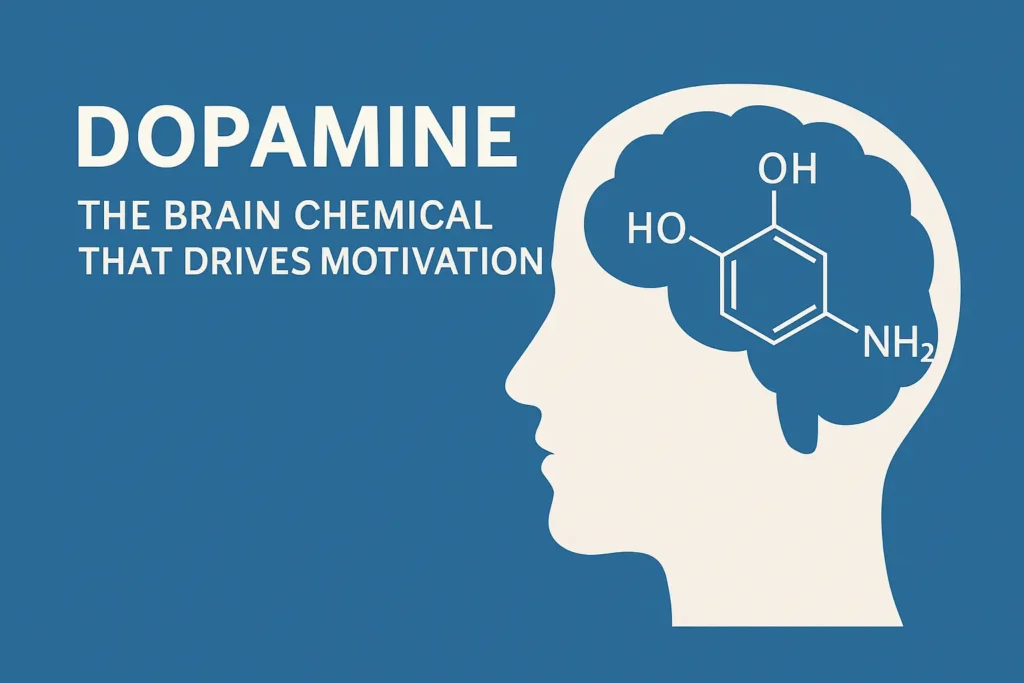
Dopamine is one of the most powerful chemicals in the human brain. It plays a vital role in how we feel, think, and act. Often called the “motivation molecule,” it influences our mood, behavior, and daily drive. Understanding dopamine can help us build better habits, improve focus, and live a more meaningful life.
What is Dopamine?
Dopamine is a neurotransmitter that carries signals between brain cells. It helps regulate movement, mood, attention, learning, and reward. When dopamine levels rise, we feel good and more motivated. This chemical encourages us to repeat activities that bring pleasure and satisfaction.
For example, when we eat something we love, dopamine spikes. The brain records this as a rewarding experience, pushing us to seek it again. Therefore, dopamine shapes many of our daily habits and decisions.
How Dopamine Works in the Brain
The brain has a reward system that relies on dopamine. This system activates whenever we do something enjoyable or achieve a goal. As a result, we experience a sense of pleasure and accomplishment.
However, dopamine is not only about feeling good. It also pushes us toward taking action. It makes us excited about the possibility of achieving something. In this way, dopamine fuels motivation rather than just the reward itself.
This is why people often feel more driven while working toward a goal than after achieving it. The anticipation releases dopamine, giving energy and focus.
The Role of Dopamine in Daily Life
Dopamine affects almost everything we do. It impacts how we wake up, how we focus, and how we pursue our dreams. When dopamine levels are balanced, we feel alert, motivated, and stable. We take action more easily and find joy in progress.
However, when dopamine levels drop too low, we may feel tired, distracted, or unmotivated. Everyday activities can seem dull and meaningless. On the other hand, when levels are too high, people can experience restlessness, impulsive behavior, or addiction-like patterns.
Therefore, maintaining healthy dopamine balance is essential for both productivity and well-being.
Dopamine and Motivation
Motivation and dopamine are deeply connected. Whenever we set a goal, dopamine rises. It gives us the mental push to start and keep going. Small achievements also release small bursts of dopamine, which keep us engaged.
This is why breaking big goals into smaller steps works so well. Each step gives the brain a reward signal. Moreover, celebrating small wins builds momentum and strengthens the habit loop.
When dopamine pathways are overused through quick rewards, like excessive scrolling or junk food, motivation drops for meaningful tasks. As a result, activities that require effort can feel harder.
Dopamine and Pleasure
Dopamine plays a big role in how we experience pleasure. It links pleasure to the actions that cause it. For example, listening to music, exercising, or connecting with loved ones can trigger dopamine. These natural activities give long-lasting satisfaction and support emotional health.
However, artificial dopamine spikes can be harmful. Overuse of social media, gaming, or other instant pleasures can flood the brain with dopamine. Over time, natural sources may feel less enjoyable. Therefore, building a healthy relationship with pleasure is crucial.
Signs of Low Dopamine Levels
Low dopamine levels can affect both mental and physical health. Common signs include fatigue, low mood, lack of focus, and difficulty enjoying daily life. People may also feel less motivated to start or finish tasks. In some cases, it may lead to more serious conditions like depression or addiction.
However, these symptoms can often improve through lifestyle changes. Simple habits like better sleep, regular movement, and meaningful activities can boost dopamine naturally.
How to Boost Dopamine Naturally
Improving dopamine levels does not require extreme steps. Small daily actions can make a big difference.
Exercise Regularly
Physical activity increases dopamine release. Even a short walk can improve mood and focus. Moreover, consistent exercise strengthens the brain’s reward system over time.
Eat a Healthy Diet
Certain foods support dopamine production. Protein-rich foods like eggs, fish, nuts, and seeds help the body build dopamine. Additionally, maintaining stable blood sugar levels supports mental clarity.
Get Enough Sleep
Sleep directly affects dopamine levels. A lack of rest reduces dopamine, making focus and energy harder to maintain. Therefore, good sleep hygiene is a simple but powerful tool.
Practice Gratitude and Mindfulness
Mindfulness activities like meditation or gratitude journaling increase dopamine sensitivity. They help the brain enjoy small moments instead of chasing constant stimulation.
Limit Instant Dopamine Sources
Social media, fast food, or endless entertainment may feel rewarding in the moment. However, they drain motivation for real goals. Reducing these activities can reset the brain’s reward system.
Dopamine and Addiction
Dopamine plays a key role in addiction. When an activity gives a strong dopamine spike, the brain learns to crave it. Over time, this can create a loop of seeking instant pleasure and ignoring long-term rewards.
This does not only apply to substances. It can happen with digital activities, gambling, or even work. Breaking these patterns requires awareness and gradual habit change. Building healthy routines can restore balance.
Dopamine Detox: A Popular Concept
Many people today practice a “dopamine detox.” This does not mean removing dopamine from the body. Instead, it means reducing artificial dopamine spikes for a certain period. The goal is to give the brain time to reset.
During this time, people avoid instant gratification activities. Instead, they focus on slow, meaningful actions like reading, walking, or journaling. As a result, natural dopamine sensitivity improves. Tasks that once felt hard may start to feel easier.
The Connection Between Dopamine and Mental Health
Dopamine is closely linked to emotional well-being. Balanced levels support focus, resilience, and joy. Imbalances can increase stress, anxiety, and negative thinking. Therefore, taking care of dopamine health is an important part of mental wellness.
Moreover, activities that nurture the brain—such as learning, social connection, and meaningful goals—create a stable dopamine environment. This makes it easier to stay motivated in the long run.
When to Seek Professional Help
Sometimes lifestyle changes are not enough. If low motivation, fatigue, or mood swings persist, seeking professional help is wise. Therapists and doctors can guide proper treatment. Conditions like Parkinson’s disease or depression are linked to dopamine dysfunction. In such cases, medical support can make a big difference.
Building a Healthy Dopamine Lifestyle
Living with balanced dopamine is about making conscious choices. Choosing meaningful rewards over instant gratification strengthens motivation. Creating daily routines around movement, learning, and connection builds long-term satisfaction.
Moreover, it helps build resilience. Life’s ups and downs feel less overwhelming when the brain has a stable reward system. Progress becomes more enjoyable than the destination.
Conclusion: Take Control of Your Dopamine
Dopamine is not just a brain chemical. It is a driving force behind focus, motivation, and joy. By understanding how it works, anyone can build healthier habits and stronger mental clarity.
Start small. Take a walk, learn something new, or disconnect from distractions for a while. Each small step helps reset your brain’s reward system. Over time, these choices can lead to greater motivation, purpose, and happiness.
Your brain is designed to support growth. You just need to guide it in the right direction.
Do you know how cortisol affects our mental health
https://newsarmour.com/cortisol-hormone-functions-symptoms-balance/
References :