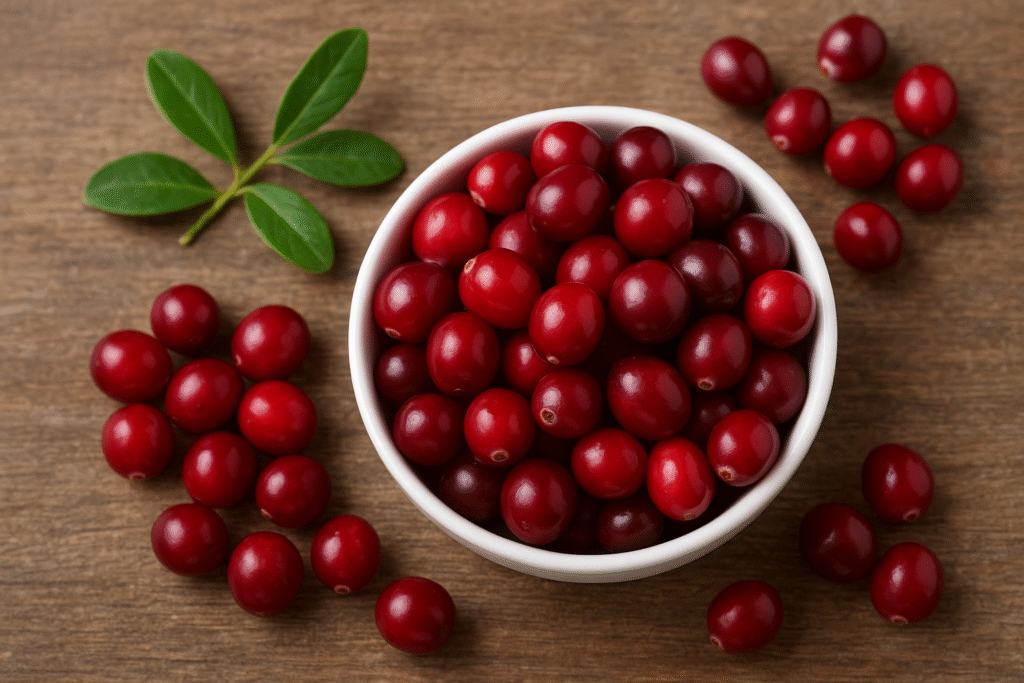
Cranberry is a small red fruit with a strong flavor and impressive benefits. It stands out due to its rich nutrients and vibrant color. Many people enjoy cranberries in juices, sauces, and dried snacks. The fruit also supports overall health in many powerful ways.
However, many readers still wonder what makes cranberries so special. This guide explains everything in clear and simple language. It also shows how cranberries help your body and how you can add them to your daily diet. The content flows smoothly and offers practical ideas for everyone.
What Makes Cranberry Fruit Unique
Cranberries are packed with antioxidants. These antioxidants protect your cells from damage. They also support long-term health. The fruit contains vitamins, minerals, and plant compounds that work together to nourish the body.
Moreover, cranberries offer natural cleansing effects. They support digestive health and help maintain balance inside the body. Their tart taste also makes them refreshing in many recipes. As a result, many people choose them for both flavor and wellness.
Therefore, cranberries have become a popular choice for health-conscious individuals. They also remain a favorite ingredient in many seasonal dishes.
Nutritional Value of Cranberries
Cranberries contain vitamin C, vitamin E, and vitamin K. They also offer manganese and dietary fiber. These nutrients play important roles in immunity, digestion, and energy levels.
However, the real strength of cranberries comes from their polyphenols. These natural compounds provide anti-inflammatory properties. They also help your body stay strong against environmental stress. This combination of vitamins and antioxidants makes cranberries a valuable addition to your diet.
Health Benefits of Cranberry Fruit
Cranberries support several key areas of health. Their benefits extend beyond basic nutrition. They also help your body maintain balance through natural bioactive compounds.
Supports Urinary Tract Health
Cranberries are well known for urinary tract health. They contain PACs, which prevent harmful bacteria from sticking to the urinary tract walls. As a result, they lower the risk of recurring infections.
However, cranberries do not work as a cure. They support prevention and long-term balance. Many people use cranberry juice or capsules to maintain better urinary wellness.
Boosts Immune Function
Cranberries contain strong antioxidants that support immunity. These antioxidants help your body fight common infections. They also reduce inflammation in a natural way.
Moreover, vitamin C in cranberries strengthens your defense system. This support helps your body respond better to seasonal changes. Therefore, cranberries become a helpful choice for year-round protection.
Promotes Heart Health
Cranberries also support heart health. They help improve good cholesterol and manage bad cholesterol. This balance is essential for long-term heart function.
Additionally, cranberries may reduce oxidative stress. This reduction supports healthier arteries and smoother blood flow. As a result, regular intake may help reduce future heart risks.
Improves Digestive Balance
Cranberries offer natural fiber. Fiber plays a key role in digestive strength. It also supports regular bowel movement and gut health.
Furthermore, certain compounds in cranberries help keep harmful bacteria away. This effect supports better gut balance. It also helps your body absorb nutrients more effectively.
Supports Oral Health
Cranberry compounds also help protect your teeth. They reduce harmful bacteria that cause cavities or gum issues. However, sweetened cranberry products may harm dental health. Choosing unsweetened options supports better results.
Different Ways to Include Cranberries in Your Diet
Cranberries are very versatile. You can enjoy them in fresh, dried, or juice form. Each option offers unique advantages. Fresh cranberries give maximum nutrients. Dried cranberries are convenient. Cranberry juice offers hydration and quick benefits.
However, choosing low-sugar varieties is important. Many packaged cranberry products contain added sugar. This extra sweetness reduces the natural benefits. Therefore, always check labels before buying.
You can add cranberries to smoothies, oats, salads, baked dishes, or desserts.
FAQs About Cranberry Fruit
1. Are cranberries good for daily health?
Yes, cranberries support daily health. They offer antioxidants, vitamins, and natural compounds that strengthen immunity and digestion.
2. Can cranberries help prevent urinary tract infections?
Cranberries may lower the risk of recurring UTIs. Their PAC compounds stop harmful bacteria from sticking to the urinary tract walls. They help prevention, not treatment.
3. Is cranberry juice healthier than fresh cranberries?
Fresh cranberries are more nutritious. Many packed juices contain added sugar. Choosing unsweetened juice provides better benefits.
4. Are dried cranberries healthy?
Dried cranberries are healthy, but many versions include added sugar. Always pick low-sugar or unsweetened options for better results.
5. Can cranberries improve heart health?
Yes, cranberries support heart health. They help manage cholesterol and reduce oxidative stress.
6. Do cranberries help with digestion?
Cranberries contain fiber that supports digestion. They also help keep harmful bacteria in check, which supports gut balance.
7. Can children eat cranberries?
Yes, children can eat cranberries. However, avoid giving them products with too much added sugar or artificial flavors.
8. What is the best way to eat cranberries?
You can eat cranberries fresh, dried, or in juice form. They also work well in smoothies, salads, sauces, and baked dishes.
9. Can I eat cranberries if I have diabetes?
Yes, but choose unsweetened cranberries or fresh berries. Sweetened cranberry products may cause blood sugar spikes.
10. Do cranberries interact with any medications?
Cranberries may interact with certain blood-thinning medicines. Always consult a doctor if you take prescription medication.
Raspberry Fruit Benefits: Nutrition, Uses & Healthy Eating Guide
https://newsarmour.com/raspberry-fruit-benefits/
Reference
- Harvard School of Public Health – Cranberries
https://www.hsph.harvard.edu/nutritionsource/food-features/cranberries/ - USDA FoodData Central – Cranberries Nutrition
https://fdc.nal.usda.gov/ - Cleveland Clinic – Cranberry Health Benefits
https://health.clevelandclinic.org/cranberry-benefits/ - National Institutes of Health – Vitamin C Fact Sheet
https://ods.od.nih.gov/factsheets/VitaminC-Consumer/ - Mayo Clinic – Urinary Tract Health & Cranberries
https://www.mayoclinic.org/