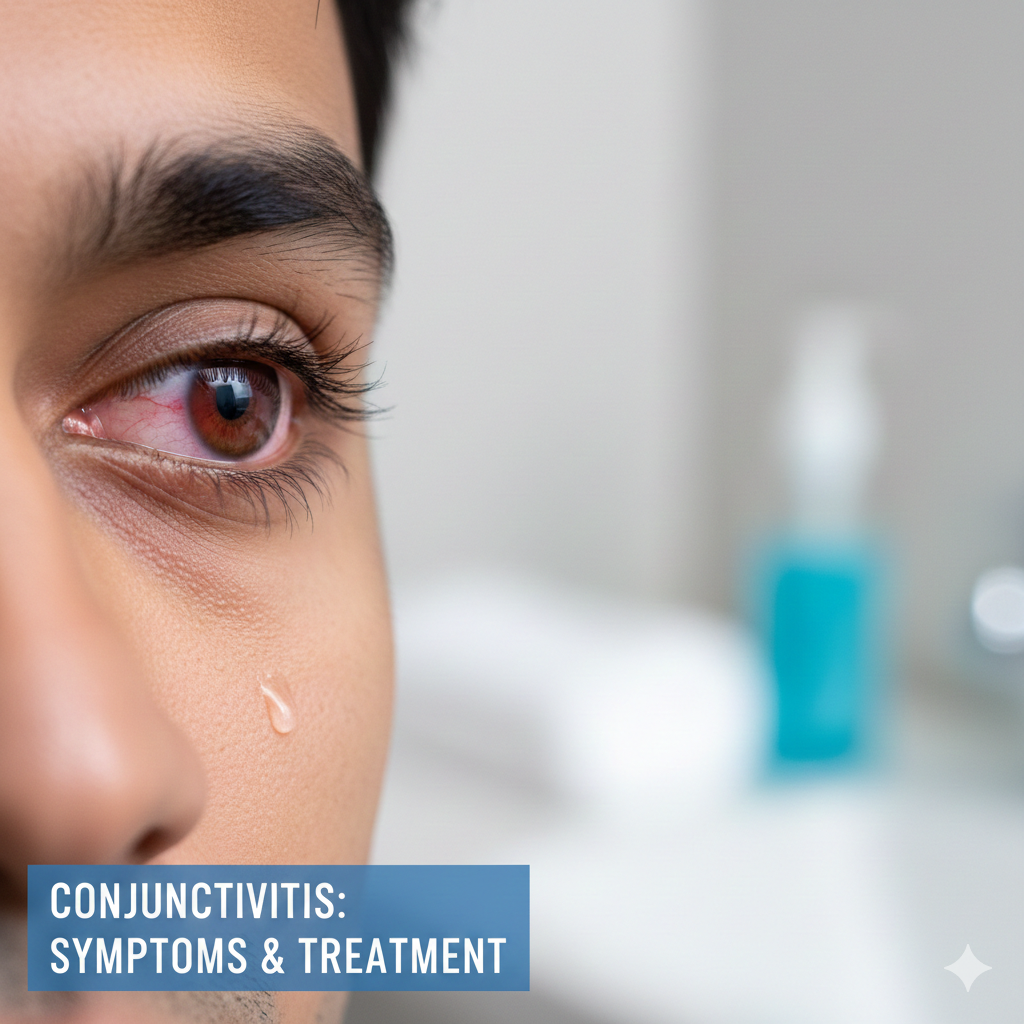
Pink eye is a common condition that affects millions of people every year. Most people know this condition by its clinical name, conjunctivitis. This ailment involves the inflammation of the thin tissue covering the white part of your eye. Consequently, the blood vessels in this area become more visible and give the eye a red appearance.
The condition often causes discomfort and irritation for those who experience it. However, most cases are relatively minor and do not pose a permanent threat to your vision. Understanding the nuances of this disease helps you manage the symptoms effectively.
This guide will explore everything you need to know about protecting your eye health.
An Overview of Conjunctivitis
The conjunctiva serves as a protective layer for the surface of the eyeball. It also lines the inner surface of your eyelids. Therefore, any irritation to this delicate membrane triggers an inflammatory response. This inflammation leads to the classic pink or reddish hue associated with the disease.
There are three primary categories of conjunctivitis which include viral, bacterial, and allergic types. Each category presents unique challenges and requires different management strategies. For instance, viral pink eye is highly contagious and spreads rapidly through schools or offices.
On the other hand, allergic conjunctivitis stems from environmental triggers like pollen or pet dander.
Common Symptoms to Watch For
The most obvious sign of the disease is a change in eye color. Your eyes may transition from a healthy white to a bright pink or bloodshot red. Moreover, you might feel a gritty sensation as if sand is trapped under your eyelid. This physical discomfort often leads to an urge to rub the eyes frequently.
Patients also report increased tearing or a discharge that forms a crust overnight. This crust can make it difficult to open your eyes in the morning. Additionally, you may experience itching, burning, or a heightened sensitivity to bright lights. It is important to note these symptoms early to prevent the spread to others.
[Image showing different types of conjunctivitis discharge]
Primary Causes of Pink Eye
Viral infections represent the most frequent cause of conjunctivitis in adults and children. These viruses are often the same ones responsible for the common cold or sore throats. Therefore, you might find yourself dealing with respiratory symptoms alongside your eye irritation.
Bacterial infections also play a significant role in the development of this disease. These cases often result from staphylococcal or streptococcal bacteria from your own skin or respiratory system. Furthermore, allergies to dust, mold, or animal fur can trigger chronic inflammation. Some people even react to chemicals in swimming pools or smoke in the air.
The Diagnostic Process
Healthcare providers usually diagnose pink eye through a simple physical examination. They will ask you about your medical history and the specific timing of your symptoms. Because different types of conjunctivitis look similar, your doctor must look for subtle clues. For example, a watery discharge often suggests a viral origin.
In contrast, a thick and yellow discharge usually points toward a bacterial infection. The physician might also check for enlarged lymph nodes near your ears. If the case is severe, they may take a sample of the discharge for laboratory testing. This ensures that the treatment plan matches the specific cause of your inflammation.
Treatment Options Without Medicine
Many cases of conjunctivitis resolve on their own without the need for prescription drugs. You can manage the discomfort effectively using simple home care techniques. First, you should apply a cold or warm compress to the affected eye several times a day.
This action helps reduce swelling and provides immediate relief from the burning sensation.
Moreover, you must keep your eyes clean by gently wiping away any discharge with a damp cloth. It is vital to use a fresh cloth for each eye to prevent cross-contamination. You should also avoid wearing contact lenses until the redness completely disappears.
Giving your eyes a break from lenses allows the tissue to heal much faster.
Effective Prevention Strategies
Prevention is the most powerful tool in the fight against infectious conjunctivitis. You must wash your hands frequently with soap and warm water for at least twenty seconds. As a result, you remove pathogens that could easily enter your eyes through touch.
You should also avoid sharing personal items like towels, washcloths, or makeup with others.
Furthermore, you should replace your eye cosmetics regularly to avoid bacterial buildup. If you suffer from allergies, try to keep your windows closed during high pollen seasons. Using an air purifier can also reduce the number of irritants in your home. These small habits create a strong barrier against the spread of infection.
The Global Impact of Conjunctivitis
Conjunctivitis is a global health issue that affects people across all continents and demographics. While it is rarely fatal, the economic impact of the disease is quite significant. Many individuals must take time off work or keep children home from school to prevent outbreaks.
Consequently, this leads to a loss of productivity and increased healthcare costs.
In developing regions, lack of access to clean water can worsen the spread of bacterial conjunctivitis. Therefore, international health organizations focus on education and hygiene to combat the disease. By improving public awareness, we can reduce the global burden of this common eye condition.
Frequently Asked Questions
What is the recovery time for pink eye?
The recovery time usually depends on the cause of the inflammation. Viral cases often take one to two weeks to clear up completely. Bacterial cases may improve within a few days of proper care and hygiene.
Can I go to work with pink eye?
You should stay home if you have an infectious form of conjunctivitis. This prevents the spread of the virus or bacteria to your colleagues. You can usually return once the discharge and redness have significantly subsided.
Is pink eye dangerous for my vision?
Most cases of conjunctivitis do not cause long-term damage to your eyesight. However, you should seek medical help if you experience intense pain or blurred vision. These signs might indicate a more serious underlying condition.
How do I know if my pink eye is allergic?
Allergic conjunctivitis usually affects both eyes at the exact same time. It often causes intense itching and occurs during specific seasons or after exposure to triggers. Unlike viral types, it is not contagious to other people.
Living with Healthy Eyes
Maintaining your eye health requires a proactive approach to hygiene and environmental awareness. While conjunctivitis can be frustrating, it is a manageable part of life. By staying informed, you protect yourself and your community from unnecessary discomfort. Always listen to your body and give your eyes the rest they deserve.
Your vision is a precious gift that allows you to experience the world in vibrant detail. Therefore, treating your eyes with kindness and care should always be a top priority. When you take the right steps today, you ensure a clearer and brighter tomorrow for your sight.
I hope this guide helps you understand how to manage and prevent conjunctivitis effectively. If you found this information helpful, please share it with your friends and family to spread awareness. Would you like me to create an infographic summary of the prevention tips mentioned in this article?
Endocarditis Disease: Causes, Symptoms, Diagnosis & Care
https://newsarmour.com/endocarditis-disease-causes-symptoms-care/
Reference
- World Health Organization (WHO): Link the phrase “global health issue” to the WHO Blindness and Vision Impairment page.
- Centers for Disease Control and Prevention (CDC): Link “prevention is the most powerful tool” to the CDC Pink Eye Prevention Guide.
- Mayo Clinic: Link “physical examination” or “diagnosis” to the Mayo Clinic Conjunctivitis Diagnosis & Treatment page.
- American Academy of Ophthalmology: Link the term “conjunctiva” in the overview to the AAO Pink Eye Guide.