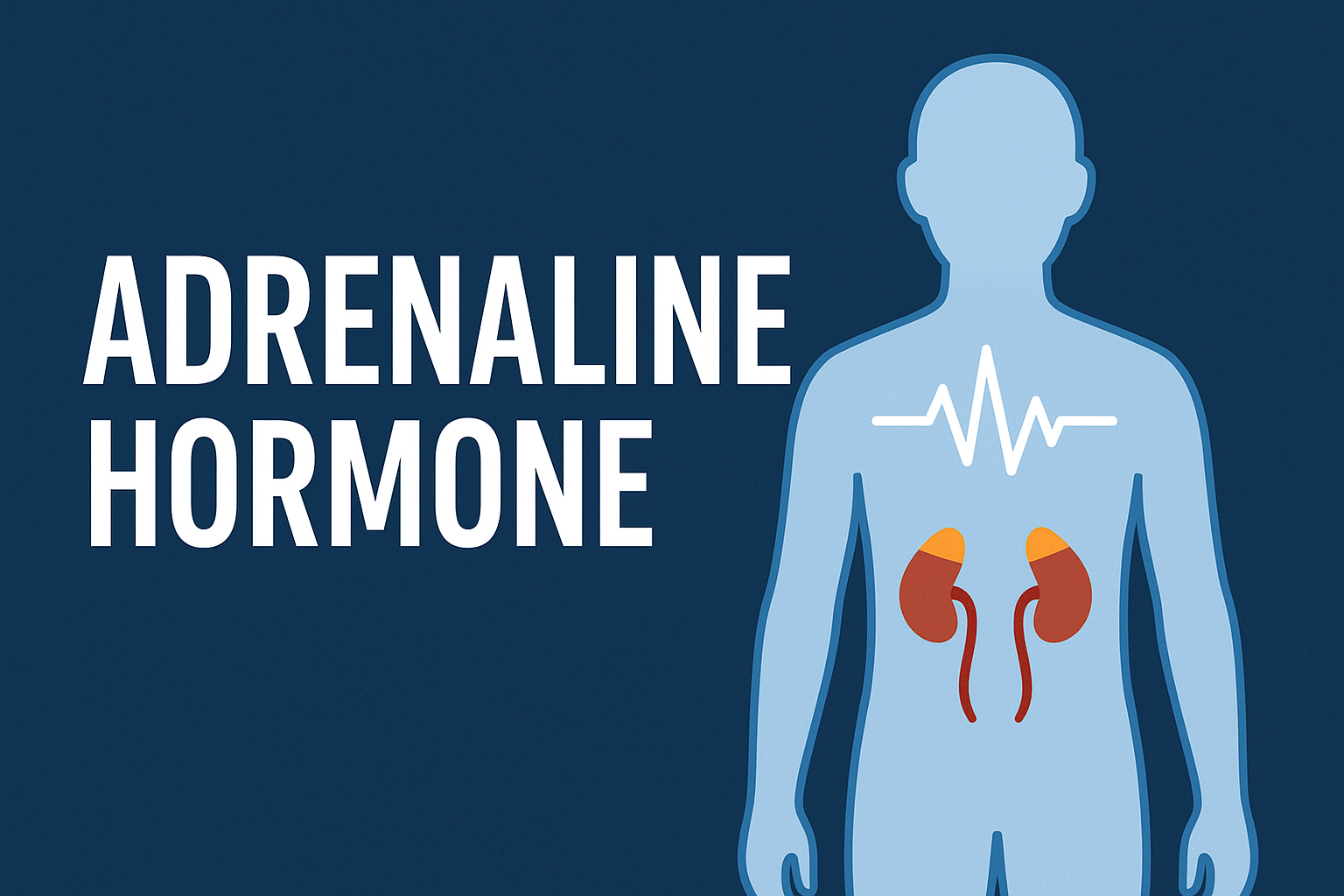
Adrenaline is a powerful hormone that your body releases during stress. It prepares you for fast action. Most people know it as the “fight or flight” hormone. However, it also plays many roles in daily body functions. Understanding adrenaline helps you recognise how the body reacts to pressure, danger, or intense excitement. This knowledge also supports better health decisions.
What Is Adrenaline?
Adrenaline is a hormone and neurotransmitter. The adrenal glands produce it during emotional or physical stress. These small glands sit above your kidneys. Although they are small, they release strong chemicals that affect almost every organ.
Adrenaline works within seconds because your body needs quick reactions in stressful moments.
The hormone travels through the blood and activates different systems. It increases alertness and energy. It also sharpens focus and boosts physical strength for a short time. Therefore, adrenaline plays a vital role in survival.
How Adrenaline Works in the Body
The brain detects a threat first. It may come from fear, danger, excitement, or even intense exercise. Then it sends a message to the adrenal glands. These glands release adrenaline into your bloodstream. As a result, your body begins a series of rapid changes.
Your heart beats faster. Your breathing becomes quicker. Your pupils widen. Your brain receives more oxygen. Moreover, your muscles get extra blood flow. These reactions allow you to run faster or react quickly. The hormone also releases stored glucose to give instant energy.
Although these effects are short-lived, they are strong. Once the situation passes, your body slowly returns to normal.
Functions of Adrenaline
Adrenaline has several important functions. It increases heart rate and improves blood circulation. It raises blood pressure for a short time. It also boosts energy levels by releasing stored sugar. In addition, it helps the airways open wider. This makes breathing easier during stress.
The hormone sharpens memory and awareness. It also improves physical performance during intense moments. Many athletes experience adrenaline during competition. People may also feel it during excitement, fear, or sudden shocks.
Although these reactions sound intense, they are natural. The body uses them to protect you.
Effects of Adrenaline on the Body
Adrenaline affects many systems. The heart responds first. It pumps more blood to vital organs. This makes the body ready for action. The lungs open wider and allow more oxygen into the system. This helps you breathe deeply and stay alert.
Your digestive system slows down. The body shifts energy from digestion to survival tasks. This is temporary but noticeable. You may lose appetite during stress because of this change.
The skin also reacts. Blood vessels in the skin narrow. Your body redirects blood flow to important organs and muscles. As a result, skin may feel cold or pale during stress.
Adrenaline Rush: Why It Happens
An adrenaline rush happens when the body releases a large amount of the hormone suddenly. It may occur during fear, excitement, or danger. Many people feel shaky or energetic during a rush. Some feel extremely alert. Others feel powerful or anxious.
The rush usually lasts a short time. However, it creates a memorable impact. People who enjoy adventure sports often feel an adrenaline rush. This includes activities like skydiving or riding roller coasters.
Although the rush feels exciting, too much of it can cause stress. Therefore, balance is important.
When Adrenaline Becomes a Problem
Adrenaline supports the body during stress. However, constant stress forces the adrenal glands to release the hormone very often. As a result, the body stays in an alert state for too long. This can lead to health issues.
Chronic high adrenaline may cause anxiety. It can also lead to high blood pressure or frequent headaches. Some people experience sleep problems. Others feel tired because the body cannot relax.
In rare cases, adrenal gland tumors can cause excessive adrenaline production. This condition requires medical care.
Symptoms of Excess Adrenaline
Excess adrenaline shows several signs. Rapid heartbeat is one of the most common. You may also feel sweating, trembling, or restlessness. Some people feel nervous or irritated. Others may experience chest tightness.
Although these symptoms feel alarming, they often relate to stress. Still, constant symptoms need medical attention.
How to Manage High Adrenaline Levels
Managing adrenaline starts with managing stress. Deep breathing helps reduce stress signals. It calms the mind and lowers the hormone level. Regular exercise also helps. It releases built-up tension in the body. Moreover, it improves sleep quality and mood.
Healthy food supports hormonal balance. Proper sleep is also necessary. When the body rests well, it controls stress better. Meditation and yoga also help reduce adrenaline levels.
Seeking emotional support is important. Talking to someone reduces mental pressure. Therefore, a healthy support system plays a key role.
Adrenaline Deficiency
Adrenaline deficiency is rare. However, it may happen when the adrenal glands do not function well. People may feel weak, tired, or unmotivated. They may also struggle with stress management.
Doctors diagnose this condition with specific tests. Treatment depends on the underlying cause.
Adrenaline in Medical Use
Doctors use synthetic adrenaline, known as epinephrine, in emergencies. It helps treat severe allergic reactions. It also supports the heart during cardiac arrest. In addition, it helps relax the airways in asthma attacks.
Medical adrenaline works fast. Therefore, it is an essential tool in emergency medicine.
Conclusion
Adrenaline is a powerful hormone that protects and energizes the body. It helps you react quickly during stress, danger, or excitement. However, maintaining balance is important. A healthy lifestyle keeps adrenaline levels stable and supports overall well-being.
You can manage stress with simple habits. You can also improve your body’s reaction to pressure. Start small and stay consistent. Your mind and body will benefit from this balance.
FAQs
What triggers the release of adrenaline?
Stress, fear, excitement, danger, or intense physical activity trigger adrenaline release.
Is too much adrenaline harmful?
Yes. Constant high adrenaline may cause anxiety, high blood pressure, and poor sleep.
How long does adrenaline stay in the body?
The effects last only a few minutes, but stress can prolong them.
Can you control adrenaline naturally?
Yes. Deep breathing, exercise, proper sleep, and relaxation techniques help manage it.
Is adrenaline the same as epinephrine?
Yes. Adrenaline and epinephrine are two names for the same hormone.
Aldosterone Hormone: Functions, Disorders & Treatment Guide
https://newsarmour.com/aldosterone-hormone-functions-disorders/