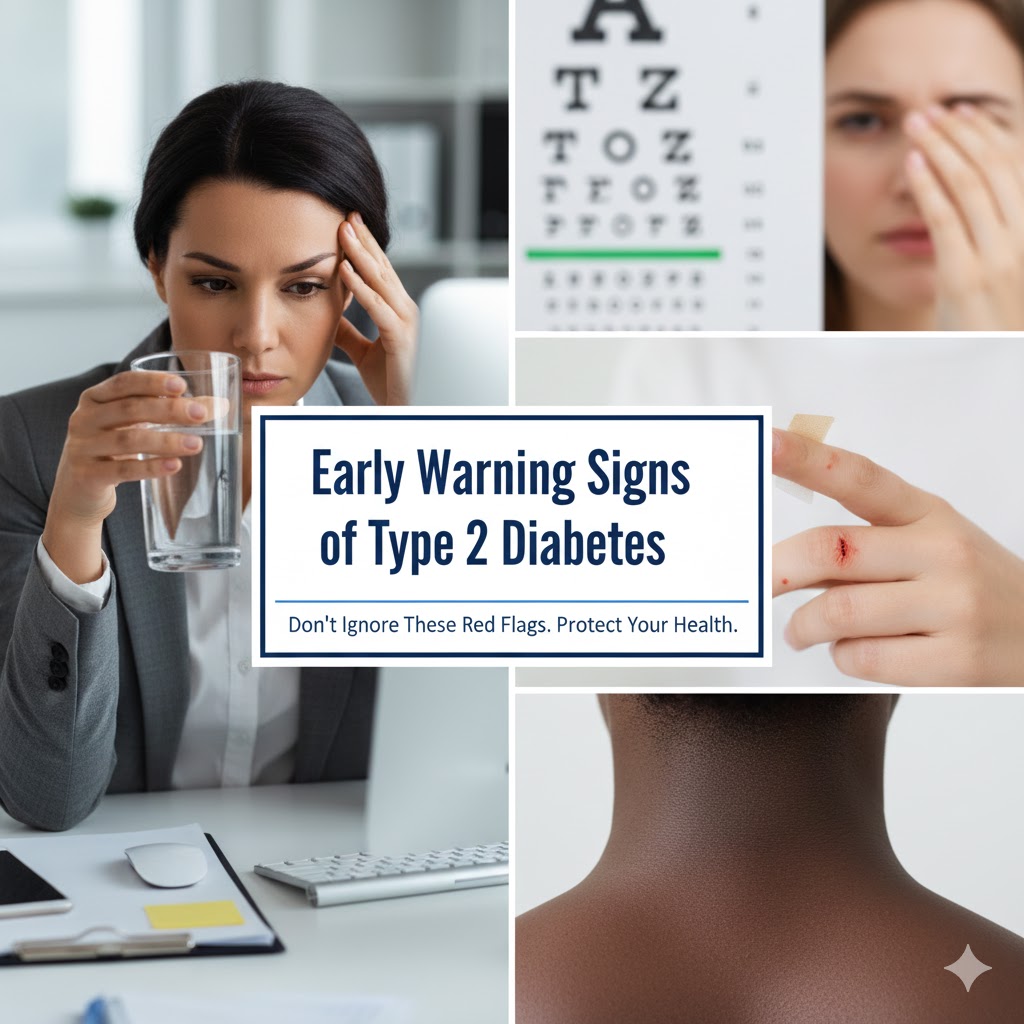
Recognizing the subtle red flags of your body can save your long-term health and vitality. Many people living with Type 2 diabetes do not realize they have the condition for several years. However, identifying these symptoms early allows for much better management and potentially a full reversal of the diagnosis.
Therefore, this guide explores the critical warning signs that you should never overlook or dismiss as normal aging.
The Importance of Early Detection
Type 2 diabetes develops slowly as your body becomes less sensitive to the hormone known as insulin. This gradual change means that symptoms often appear mild or insignificant during the initial stages of the disease.
Moreover, many individuals mistake chronic fatigue or thirst for common side effects of a busy lifestyle. Consequently, the condition can cause quiet damage to your blood vessels and nerves before a formal diagnosis.
Early detection provides a unique window of opportunity to make impactful lifestyle adjustments without heavy medication. You can significantly improve your blood sugar levels by changing your diet and increasing your physical activity levels.
Furthermore, catching the disease early reduces the risk of serious complications like heart disease or kidney failure. Therefore, paying close attention to small physical changes is a vital form of self-care.
Constant Thirst and Frequent Urination
One of the most common early indicators involves an unusual and persistent need to drink water. When blood sugar levels rise, your kidneys must work much harder to filter and absorb the excess glucose. If your kidneys cannot keep up, the extra sugar is excreted into your urine along with fluid.
As a result, you feel dehydrated and find yourself running to the bathroom much more often than usual.
This cycle of thirst and urination often disrupts sleep and leads to a feeling of constant exhaustion. You might notice that you are waking up several times during the night to use the restroom. Additionally, drinking large amounts of water does not seem to quench the deep thirst you feel.
Therefore, this specific combination of symptoms serves as a major warning sign for elevated blood sugar levels.
Unexplained Fatigue and Low Energy
Feeling tired after a long day is normal but chronic exhaustion may point to a deeper metabolic issue. Diabetes prevents your body from effectively moving sugar from your bloodstream into your cells for energy.
Consequently, your muscles and organs are essentially starved of the fuel they need to function at their best. You may feel sluggish or “foggy” even after getting a full night of restful sleep.
Moreover, the dehydration caused by frequent urination contributes significantly to this overwhelming sense of fatigue. Your heart must work harder to pump blood through your body when you are not properly hydrated.
This added strain leaves you feeling drained and less capable of handling your daily professional responsibilities. Therefore, persistent low energy is a symptom that warrants a conversation with your primary care physician.
Changes in Vision and Eye Health
High levels of blood sugar can cause the lenses in your eyes to swell and change shape. This physical change often results in blurry vision or difficulty focusing on objects both near and far. However, many people simply assume they need a new prescription for their glasses or contact lenses.
As a result, they may ignore a critical sign that their metabolic health is out of balance.
If left untreated, chronic high glucose can lead to permanent damage to the tiny blood vessels in the retina. This condition is known as diabetic retinopathy and is a leading cause of vision loss in adults. Furthermore, blurriness may come and go depending on what you have eaten during the day.
Therefore, sudden or fluctuating changes in your vision require immediate attention from a medical professional.
Slow-Healing Wounds and Frequent Infections
Diabetes affects your body’s natural ability to heal itself after a minor cut, scrape, or bruise. High blood sugar levels impair blood circulation and reduce the efficiency of your immune system’s response. Consequently, a small injury that should heal in days might linger for several weeks or even months.
You should be especially mindful of any sores on your feet or legs that appear stubborn.
Additionally, high glucose levels provide a fertile environment for bacteria and yeast to grow and multiply. This often leads to more frequent infections of the skin, gums, or the urinary tract. Moreover, you might notice that your skin feels itchy or unusually dry even with the use of lotions.
Therefore, a slow recovery from minor ailments is a strong signal that your internal systems are struggling.
Darkened Skin Patches and Tingling Sensations
Certain skin changes can act as a visual warning for insulin resistance before other symptoms appear. You may notice dark, velvety patches of skin in the folds of your neck, armpits, or groin area. This condition is called acanthosis nigricans and it often indicates that your insulin levels are too high.
Furthermore, these patches are sometimes mistaken for dirt or simple skin irritation.
You should also look out for a tingling or “pins and needles” sensation in your hands or feet. This happens because prolonged high blood sugar damages the nerves located furthest from your heart. However, these sensations can start as a very mild numbness that is easy to ignore initially.
As a result, many people wait too long to seek help for what is actually nerve damage.
Frequently Asked Questions
Can Type 2 diabetes be reversed?
Many people can achieve remission by losing weight and adopting a low-carbohydrate, whole-food diet. However, you must maintain these healthy habits long-term to prevent the symptoms from returning later in life. Therefore, consistency is the key to managing your glucose levels successfully.
Does a family history mean I will get diabetes?
While genetics play a role, your lifestyle choices have a massive impact on your actual health outcomes. You can significantly lower your risk by staying active and maintaining a healthy body weight through nutrition. Consequently, you are not defined solely by your family’s medical history.
What is the difference between Type 1 and Type 2?
Type 1 is an autoimmune condition where the body stops producing insulin entirely and usually starts in childhood. Type 2 occurs when the body becomes resistant to insulin and is often linked to lifestyle factors. Therefore, the management strategies for each condition are quite different.
How often should I get my blood sugar tested?
Most adults should have a screening at least once a year during their regular physical exam. However, you should request a test sooner if you notice any of the warning signs mentioned above. As a result, you can take action before the condition progresses further.
Taking charge of your health starts with the courage to listen to what your body is saying. You deserve to feel vibrant, energetic, and free from the worry of preventable chronic diseases. Small changes today can lead to a much brighter and healthier future for you and your family.
Reach out to a healthcare provider this week to discuss your concerns and get a simple screening. Your health is your most valuable asset, so protect it with knowledge and proactive action.
High-Protein Foods for Natural Muscle Growth: Top 10 List
https://newsarmour.com/high-protein-foods-for-natural-muscle-growth/
Reference
- Mayo Clinic: Type 2 Diabetes Symptoms and Causes (Ideal for the section on vision and thirst).
- American Diabetes Association (ADA): Diabetes Symptoms (Perfect for the section on slow-healing wounds).
- National Institute of Diabetes and Digestive and Kidney Diseases (NIDDK): What is Type 2 Diabetes? (Use this for the “Early Detection” section).
- Cleveland Clinic: Acanthosis Nigricans (Darkened Skin) (Directly supports the section on skin changes).