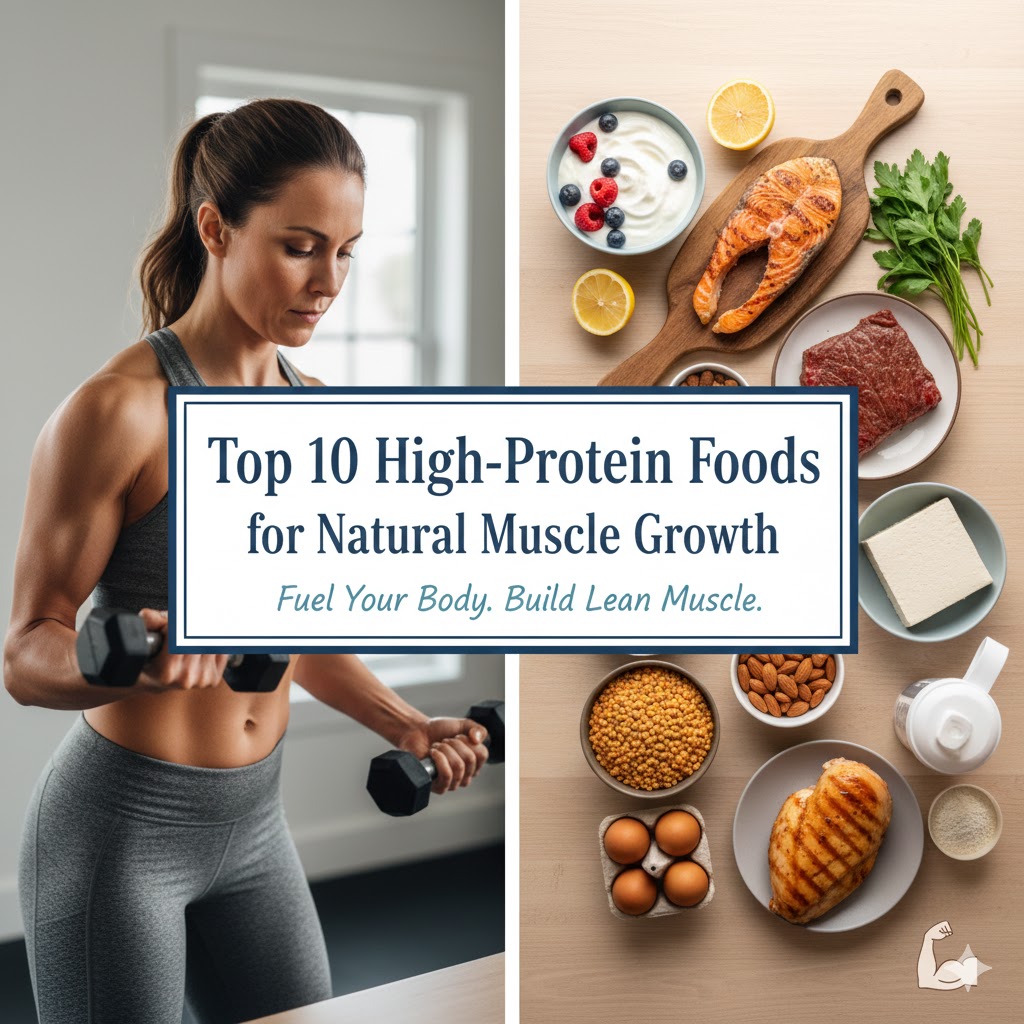
Building lean muscle requires more than just heavy lifting at the gym. Your body needs the right building blocks to repair and grow tissues after a strenuous workout. Protein serves as the primary fuel for this essential biological recovery process.
Moreover, choosing high-quality sources ensures you get the necessary amino acids for optimal strength. Therefore, this guide highlights the most effective foods to help you reach your fitness goals naturally.
The Vital Role of Protein in Muscle Synthesis
Muscle protein synthesis is the process where your body repairs the tiny tears caused by exercise. When you consume enough protein, you provide the raw materials needed for this critical repair. However, not all protein sources are created equal in terms of quality and absorption.
Some foods offer a complete profile of essential amino acids while others require strategic pairing. Consequently, understanding your food choices is just as important as the intensity of your training.
Furthermore, protein helps you maintain a feeling of fullness throughout your busy day. This satiety prevents you from reaching for unhealthy snacks that could derail your progress. As a result, a high-protein diet supports both muscle gain and healthy fat loss simultaneously.
Therefore, focusing on nutrient-dense options will lead to a more defined and powerful physique over time.
1. Lean Chicken Breast: The Bodybuilder Staple
Chicken breast remains a favorite among fitness enthusiasts for very good reasons. It is exceptionally high in protein while being very low in dietary fat. Moreover, this versatile meat is easy to prepare in a variety of delicious ways. You can grill, bake, or stir-fry it to keep your meal plan exciting and fresh.
Therefore, it serves as an excellent foundation for any muscle-building diet.
2. Whole Eggs: Nature’s Perfect Protein Source
Eggs are often called the gold standard for protein quality and biological value. They contain all nine essential amino acids required for human growth and health. Additionally, the healthy fats found in the yolk support natural hormone production.
You should eat the whole egg to reap the maximum nutritional benefits available. Consequently, eggs are a cost-effective and highly efficient way to fuel your muscles.
3. Greek Yogurt: A Creamy Protein Powerhouse
Greek yogurt contains significantly more protein than regular yogurt varieties due to the straining process. It also provides a steady release of amino acids which is perfect for muscle recovery. Moreover, the probiotics found in yogurt support a healthy gut and better nutrient absorption.
You can mix it with berries or nuts for a perfect post-workout snack. Therefore, this dairy option is both convenient and incredibly beneficial for your growth.
4. Wild-Caught Salmon: Protein and Omega-3s
Salmon offers a unique combination of high-quality protein and essential omega-3 fatty acids. These healthy fats help reduce the inflammation caused by intense weightlifting sessions. As a result, you may experience less muscle soreness and a faster recovery time.
Furthermore, salmon supports heart health and brain function while you build your physique. Therefore, including oily fish twice a week is a smart strategy for any athlete.
5. Lean Beef: Creative Fuel for Strength
Lean beef provides high-quality protein along with vital minerals like iron and zinc. These nutrients play a massive role in oxygen transport and energy production during exercise. Also, beef contains natural creatine which can help increase your strength and power.
You should choose leaner cuts like sirloin or flank steak to keep calories in check. Consequently, beef remains a powerful ally for those looking to gain significant mass.
6. Cottage Cheese: The Slow-Digesting Secret
Cottage cheese is famous for its high content of casein protein. Casein is a slow-digesting protein that provides a steady stream of amino acids over several hours. For this reason, many athletes eat cottage cheese right before going to bed.
This practice helps prevent muscle breakdown during the long overnight fasting period. Therefore, it is a strategic tool for maintaining a positive nitrogen balance.
7. Quinoa: The Plant-Based Complete Protein
Quinoa is one of the few plant foods that contains all essential amino acids. This makes it a vital staple for vegetarians and vegans looking to build muscle. Moreover, it provides a healthy dose of complex carbohydrates for sustained energy. You can use it as a base for salads or a substitute for white rice.
As a result, you get a balanced profile of nutrients in every single bite.
8. Soy Foods: Versatile Vegan Power
Tofu and tempeh are excellent high-protein options for those avoiding animal products. These soy-based foods are highly versatile and soak up the flavors of your favorite spices. Moreover, soy contains heart-healthy fats and minerals that support overall physical longevity.
You can easily add them to stir-fries or even morning smoothies. Therefore, soy provides a complete protein source for a plant-powered lifestyle.
9. Lentils: Fiber and Protein Combined
Lentils are an affordable and shelf-stable way to increase your daily protein intake. They are packed with fiber which helps stabilize your blood sugar levels. Additionally, the iron content in lentils helps fight fatigue during your most challenging workouts.
You should pair them with grains to ensure a complete amino acid profile. Consequently, they are a fantastic addition to soups, stews, and side dishes.
10. Almonds: The Portable Muscle Snack
Almonds are a convenient source of protein, healthy fats, and vitamin E. This powerful antioxidant helps protect your cells from the stress of heavy lifting. Moreover, they are easy to carry in your gym bag for a quick energy boost. However, you should watch your portion sizes because nuts are very calorie-dense.
Therefore, a small handful is the perfect amount to support your muscle goals.
Frequently Asked Questions
How much protein do I need to grow muscle?
Most experts recommend consuming about 0.8 to 1 gram of protein per pound of body weight. This ensures your body has enough resources to repair and build new muscle tissue effectively. Therefore, you should track your intake to ensure you are meeting these daily requirements.
Can I get enough protein from plants alone?
Yes, you can absolutely build muscle on a plant-based diet by choosing diverse protein sources. You must focus on complete proteins like quinoa and soy or combine beans with grains. As a result, your body will receive all the amino acids it needs to flourish.
When is the best time to eat protein?
While total daily intake is most important, eating protein after a workout is very beneficial. This “anabolic window” helps kickstart the repair process when your muscles are most receptive. Moreover, spreading your protein intake across all meals ensures a steady supply of nutrients.
Will too much protein damage my kidneys?
For healthy individuals, a high-protein diet is generally considered safe and effective. However, you should always drink plenty of water to help your kidneys process the extra nitrogen. Consequently, staying hydrated is a vital part of a high-protein lifestyle.
Fueling your body with the right foods is the fastest way to see the results of your hard work. You have the power to transform your physique by making smarter choices in the kitchen every day. Muscle growth is a journey that requires both patience and the right nutritional foundation.
Start by incorporating a few of these high-protein staples into your weekly meal plan. As your strength increases, you will feel more confident and capable in every area of your life. Your dream body is built one meal at a time, so stay consistent and keep pushing forward.
20-Minute Home Workout for Busy Professionals: Fast Results
https://newsarmour.com/20-minute-home-workout-for-busy-professionals/
Reference
Healthline: Protein Intake — How Much Protein Should You Eat per Day? (Link to the section on daily requirements).
Medical News Today: What are the best high-protein foods? (Link to the top 10 list).
National Institutes of Health (NIH): Dietary Protein and Muscle Mass (Link to the section on muscle synthesis).
WebMD: Good Protein Sources to Help Build Muscle (Link to the section on protein sources).