The hum of a mosquito often signals more than just a minor annoyance. For millions of people worldwide, this sound represents a significant health risk. Mosquitoes act as primary vectors for some of the most devastating illnesses in human history.
These tiny insects carry viruses and parasites from person to person with remarkable efficiency. Consequently, vector-borne diseases remain a top priority for global health organizations today. Understanding how these diseases spread is the first step toward effective protection.
This article explores the impact, symptoms, and prevention of mosquito-borne illnesses in detail.
Overview of Vector-Borne Pathogens
Vector-borne diseases account for more than seventeen percent of all infectious diseases globally. Mosquitoes specifically represent the most dangerous group of vectors due to their wide geographical reach. They thrive in various climates, ranging from tropical rainforests to urban centers.
Common diseases in this category include Malaria, Dengue fever, Zika virus, and West Nile virus. Each of these conditions presents unique challenges to healthcare systems and local economies.
Furthermore, climate change is currently expanding the habitats of these resilient insects. As temperatures rise, mosquitoes migrate into previously unaffected regions. This shift creates new vulnerabilities for populations with little natural immunity. Therefore, public awareness remains a critical tool in managing these emerging health threats.
Common Causes of Transmission
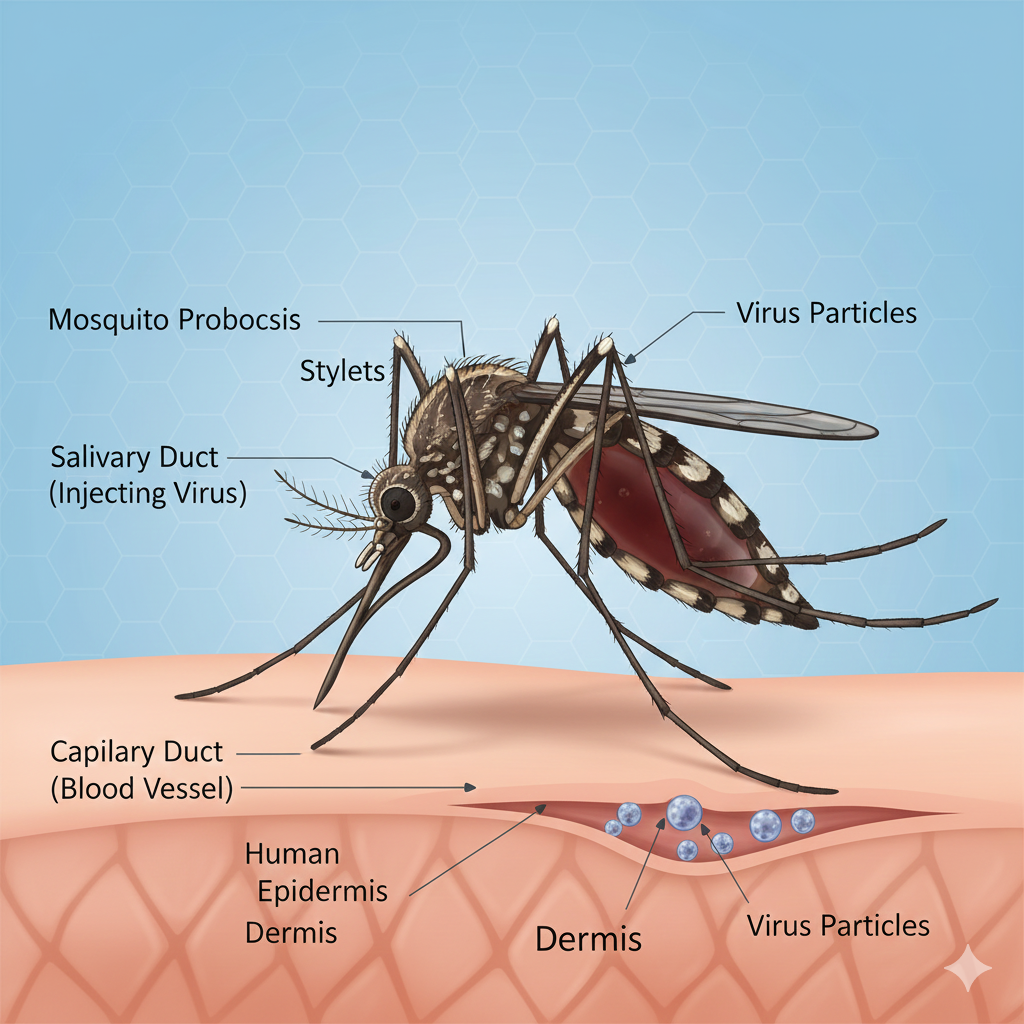
Biological transmission occurs when a mosquito bites an infected person or animal. The insect then ingests the pathogen along with the blood meal. Inside the mosquito, the virus or parasite undergoes a period of replication. Eventually, the pathogen moves to the mosquito’s salivary glands.
The insect then injects these pathogens into its next human host during a subsequent feeding. This cycle continues indefinitely unless something interrupts the chain of transmission. Stagnant water serves as the primary breeding ground for most mosquito species. Even a small bottle cap of water can support hundreds of developing larvae.
Additionally, poor sanitation and inadequate drainage systems exacerbate the problem in crowded areas. Urbanization often provides more opportunities for mosquitoes to live close to human populations. Thus, environmental factors play a massive role in the frequency of disease outbreaks.
Recognizing Key Symptoms
Symptoms vary significantly depending on the specific virus or parasite involved. However, many mosquito-borne illnesses begin with a sudden onset of high fever. Patients frequently report intense headaches and pain behind the eyes.
Muscle and joint aches are also common, often earning Dengue the name bone-break fever. Moreover, some individuals may develop a skin rash or experience mild bleeding from the nose or gums. In the case of Malaria, symptoms usually include cycles of chills followed by profuse sweating.
Fatigue and general malaise can persist for weeks after the initial infection. Nevertheless, some people remain asymptomatic while still carrying the pathogen in their blood. This hidden carriage makes it difficult to track the true spread of an outbreak.
Therefore, early detection through clinical observation is vital for patient recovery.
Diagnosis and Clinical Evaluation
Physicians typically begin the diagnostic process by reviewing a patient’s recent travel history. They look for exposure to regions where specific diseases are known to be endemic. Physical examinations help identify visible signs like rashes or enlarged organs.
However, laboratory tests are necessary to confirm a definitive diagnosis. Blood tests can detect the presence of the pathogen’s genetic material or specific antibodies. For instance, polymerase chain reaction tests provide rapid and highly accurate results for viral infections.
Rapid diagnostic tests are also available for Malaria in many remote areas. These tools allow healthcare workers to start appropriate care protocols immediately. Early diagnosis significantly reduces the risk of developing severe complications or secondary infections.
Effective Management and Treatment Without Medicine
While many viral mosquito-borne illnesses lack specific cures, supportive care is highly effective. Rest is the most important factor in allowing the body to fight the infection. Patients must avoid physical overexertion to prevent further strain on their internal systems.
Hydration plays a crucial role in managing fevers and preventing dehydration. Drinking plenty of water or oral rehydration salts helps replace lost fluids and electrolytes. Furthermore, using cool compresses can help lower body temperature during intense fever spikes.
Nutritious food supports the immune system during the recovery phase. However, patients should avoid heavy or greasy meals that might cause stomach upset. Monitoring for warning signs like persistent vomiting or breathing difficulty is essential. If these signs appear, immediate professional medical intervention becomes a necessity.
Strategies for Prevention and Control
Shutterstock
Prevention remains the most effective way to combat the spread of vector-borne diseases. You should focus on eliminating breeding sites around your home and community. Empty any containers that hold standing water, such as flowerpots, buckets, or old tires.
Cover water storage tanks with tight-fitting lids to block mosquito access. Additionally, wearing long-sleeved shirts and long pants provides a physical barrier against bites. Treat clothing with permethrin for an extra layer of long-lasting protection.
Using insect repellents containing DEET or Picaridin is also highly recommended by health experts. Installing fine-mesh screens on windows and doors keeps mosquitoes outside your living spaces. Moreover, sleeping under insecticide-treated bed nets offers excellent protection in high-risk areas.
Community-wide efforts like professional fogging can temporarily reduce the adult mosquito population. Ultimately, a combination of personal and public actions yields the best results.
The Global Impact of Mosquito-Borne Illness
The burden of these diseases extends far beyond individual health concerns. Malaria alone causes hundreds of thousands of deaths every year, primarily among young children. Economic productivity suffers when large portions of the workforce fall ill simultaneously.
Families often face devastating financial costs for treatment and lost wages. Furthermore, the presence of these diseases can stifle tourism and international trade in certain regions. Governments must allocate significant portions of their budgets to vector control and healthcare infrastructure.
This diversion of funds can slow down development in other critical sectors like education. However, international cooperation has led to significant progress in reducing the global death toll. Global health initiatives provide funding for research, vaccines, and widespread distribution of bed nets.
Consequently, many countries are now moving toward the total elimination of specific diseases.
Frequently Asked Questions
What mosquito species are the most dangerous?
The Aedes, Anopheles, and Culex genera are responsible for most human infections. Aedes mosquitoes primarily spread Dengue and Zika, while Anopheles mosquitoes carry Malaria.
Can mosquitoes spread HIV or Hepatitis?
No, mosquitoes cannot transmit HIV or Hepatitis viruses to humans. These viruses do not survive or replicate inside the mosquito’s digestive system.
Why do mosquitoes bite some people more than others?
Mosquitoes are attracted to carbon dioxide, body heat, and certain skin odors. Factors like genetics, sweat, and even clothing color can influence their choice of host.
How long do symptoms usually last?
Most symptoms last between five to ten days for mild cases. However, recovery from diseases like Malaria or West Nile can take several weeks or months.
Are there vaccines available for these diseases?
Vaccines exist for Yellow Fever, Japanese Encephalitis, and recently, Malaria and Dengue. Research is currently ongoing to develop effective vaccines for Zika and other viral threats.
A Healthier Future for Everyone
Protecting ourselves from mosquito-borne diseases is a shared responsibility that starts with simple actions. By staying informed and taking preventive measures, we can safeguard our families and communities.
Every container emptied and every net used contributes to a larger global movement for health. We have the tools and the knowledge to minimize the impact of these tiny but formidable foes. Let us commit to a cleaner environment and a more proactive approach to our well-being.
Together, we can create a world where the fear of a mosquito bite is a thing of the past. Stay vigilant, stay protected, and help spread awareness to those around you today.
Conjunctivitis Symptoms and Treatment: A Complete Guide
https://newsarmour.com/conjunctivitis-symptoms-and-treatment/
Reference
- World Health Organization (WHO): Fact Sheet on Vector-Borne Diseases
- Centers for Disease Control and Prevention (CDC): Preventing Mosquito Bites
- Mayo Clinic: Symptoms and Causes of Malaria
- UNICEF: Impact of Malaria on Children
- Pan American Health Organization (PAHO): Dengue Fever Overview and Prevention