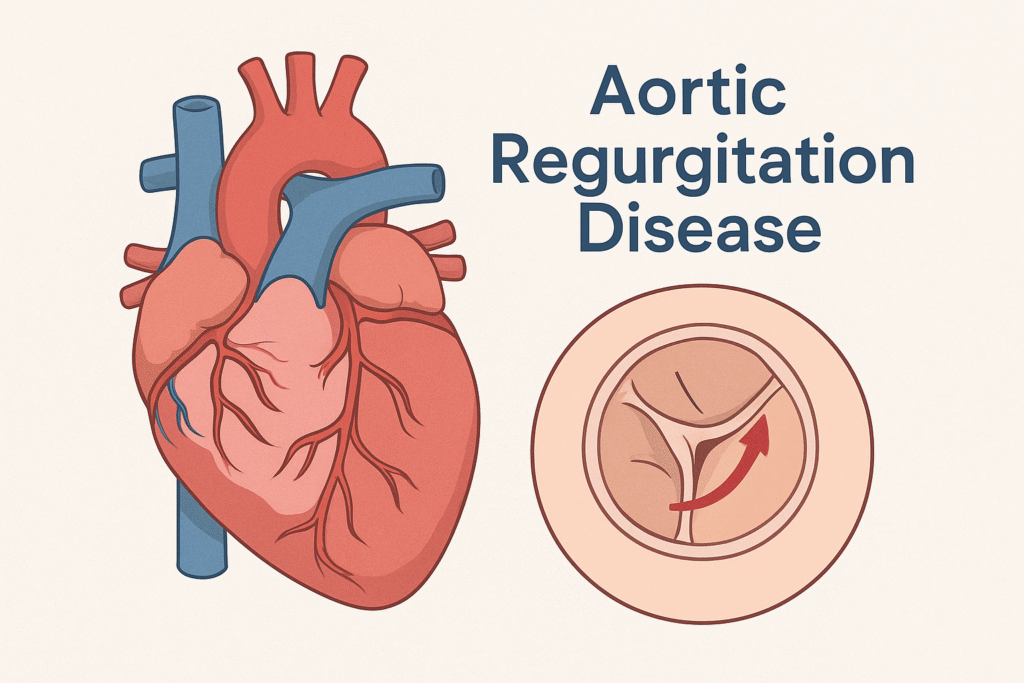
Aortic regurgitation is a heart valve disease that affects blood flow. The aortic valve does not close fully. As a result, some blood leaks backward into the heart. The heart must work harder to push the same amount of blood. Over time, this extra effort may weaken the heart muscle.
Although the condition often develops slowly, it can become serious if ignored. Early knowledge helps people protect their heart health. This article explains the condition in a simple and clear way. It covers causes, symptoms, diagnosis, natural care methods, prevention, and global impact. It also offers helpful answers to common questions.
What Is Aortic Regurgitation?
The aortic valve is one of the four valves in the heart. It controls blood flow from the left ventricle to the aorta. The valve usually opens and closes with every heartbeat. In aortic regurgitation, the valve does not close tightly. Blood leaks backward during relaxation of the heart.
This leakage reduces effective blood supply to the body. The heart tries to compensate by pumping harder. Over time, this may cause enlargement and weakness of the left ventricle. Severe cases may lead to heart failure if untreated.
Overview of the Condition
Many people live for years without symptoms. The condition may start in childhood or in adulthood. It may develop slowly due to aging. However, it may also appear suddenly after infection or injury.
Doctors divide it into two types. Acute aortic regurgitation develops quickly and is an emergency. Chronic aortic regurgitation progresses gradually and may remain silent for a long time. Regular checkups help detect early changes. Lifestyle habits also play a major role in long-term heart health.
Common Causes of Aortic Regurgitation
Several factors can damage or deform the aortic valve. Some causes are preventable, while others are not. However, awareness helps reduce the risk.
Congenital valve problems
Some people are born with abnormal valves. A bicuspid aortic valve has two flaps instead of three. It may wear out faster and leak.
Age-related degeneration
Valve tissue may weaken over time. Calcium may build on the valve edges. Therefore, the valve may fail to close completely.
Rheumatic fever
Rheumatic fever from untreated throat infection may scar the valve. It remains a leading cause in many developing countries.
Infections
Infection of the heart valve, called endocarditis, may damage the valve. It can cause sudden severe leakage.
High blood pressure
Long-term pressure strain may enlarge the heart and affect the valve.
Chest injury
Sudden trauma may disturb valve function and create acute regurgitation.
Symptoms of Aortic Regurgitation
Symptoms depend on the severity of leakage. Many patients feel well in early stages. However, symptoms appear as the heart weakens.
Common symptoms include:
Shortness of breath during activity.
Fatigue even with mild work.
Palpitations or rapid heartbeat.
Chest pain that increases during exercise.
Swelling of the ankles or feet.
Dizziness or light-headedness.
Reduced stamina and sleep discomfort.
Not every person experiences all symptoms. Some people develop symptoms only after big physical stress. Therefore, any unusual signs need medical attention.
How Doctors Diagnose Aortic Regurgitation
Doctors use several methods to detect valve leakage. The process is simple and usually painless. Early diagnosis prevents complications, therefore regular checkups are valuable.
Physical examination
A doctor listens to the heart with a stethoscope. A special heart murmur may be heard.
Echocardiography
This is the most useful test. It uses sound waves to show the heart valves. It also measures how much blood flows backward.
ECG and chest X-ray
These tests show heart rhythm and heart size. They help detect changes in heart function.
Exercise test
Doctors may check how the heart responds to activity. It helps to understand the severity and plan treatment.
Treatment Without Medicine or Surgery
Mild cases may not need strong treatment. Healthy habits support heart function. These natural methods do not replace medical guidance. However, they keep the heart strong and may delay progression.
Balanced diet
A nutritious diet improves heart health. Fresh fruits, vegetables, whole grains and lean proteins support circulation. Avoid heavy salt and fried foods. Many people benefit from smaller meals at regular times.
Regular exercise
Daily walking or cycling strengthens the heart. However, extreme exercise may increase strain. Doctors often suggest moderate and steady physical activity.
Weight control
Extra weight stresses the heart. Therefore, maintaining a healthy weight reduces workload.
Quit smoking
Smoking damages blood vessels. Stopping smoking improves heart function almost immediately.
Stress management
Chronic stress raises blood pressure. Relaxation techniques like deep breathing, meditation, and yoga can help. Quality sleep also supports recovery.
Routine monitoring
People with mild cases need regular heart checkups. Monitoring helps detect changes early.
Medical Treatment and Procedures
Some conditions require medical treatment. Doctors may suggest medicines to control blood pressure or support the heart. Severe cases may need valve replacement or repair. Surgery is safer than ever with modern techniques. Many patients recover well and live active lives after surgery.
Prevention and Heart Care
Prevention focuses on protecting the valve and reducing risk. Good habits reduce chances of degeneration and infection.
Keep blood pressure under control.
Treat throat infections early.
Maintain oral hygiene to prevent heart valve infection.
Avoid smoking and excess alcohol.
Stay physically active and eat healthy food.
Visit the doctor if any symptoms appear.
Prevention is not perfect. However, small daily actions have great long-term benefits.
Global Impact of Aortic Regurgitation
Aortic regurgitation affects millions of people worldwide. Aging populations increase the number of cases in developed countries. Rheumatic fever remains a major cause in many Asian and African regions. Therefore, global impact is growing each year.
The condition leads to reduced work ability, emotional stress, and hospital expenses. Public awareness and early diagnosis can reduce this burden. Health education, better infection control, and improved medical access help communities. The disease is serious, but many cases are preventable or treatable.
Living with Aortic Regurgitation
Many people live normal and happy lives with this condition. Their health remains stable when they follow medical advice. They eat nutritious meals, stay active, and manage stress. Regular checkups keep them safe.
Family support also makes a big difference. Encouragement helps patients maintain healthy habits. Simple lifestyle choices protect the heart and improve well-being. Therefore, awareness and education remain important for everyone.
Frequently Asked Questions
Is aortic regurgitation dangerous?
Mild cases are usually safe. Severe cases may lead to heart failure. Early diagnosis and treatment reduce risk.
Can I exercise with this condition?
Yes, most people can exercise. However, they should choose moderate activity. Always follow medical advice.
Can food cure aortic regurgitation?
Food cannot repair the valve. However, a healthy diet reduces strain on the heart. It supports overall health.
Is surgery always necessary?
No, many cases do not need surgery. Doctors decide based on symptoms and heart function.
What is the difference between aortic stenosis and aortic regurgitation?
Aortic stenosis is narrowing of the valve. Aortic regurgitation is leakage of the valve. Both conditions affect blood flow.
Conclusion and Call to Action
Aortic regurgitation is a common valve disease. It may remain silent for years. Therefore, people should understand the symptoms and risk factors. Early diagnosis protects the heart. Healthy habits also prevent complications and improve life quality.
If you notice shortness of breath, fatigue, or chest discomfort, do not ignore it. Speak with a doctor. A simple checkup may provide answers. Modern diagnosis and treatment are safe and effective.
Take care of your heart. Eat well, stay active, and manage stress. Share this information with family and friends. Awareness can save lives.
Aortic Stenosis Disease: Causes, Symptoms and Treatment
https://newsarmour.com/aortic-stenosis-disease/
Reference
- WHO — Aortic Valve Disease Information
https://www.who.int/health-topics/cardiovascular-diseases - American Heart Association — Aortic Regurgitation Overview
https://www.heart.org/en/health-topics/heart-valve-problems-and-disease/heart-valve-problems-and-causes/aortic-valve-regurgitation - Mayo Clinic — Aortic Valve Regurgitation: Symptoms and Causes
https://www.mayoclinic.org/diseases-conditions/aortic-valve-regurgitation/symptoms-causes - Cleveland Clinic — Diagnosis and Treatment of Aortic Regurgitation
https://my.clevelandclinic.org/health/diseases/17667-aortic-regurgitation - CDC — Heart Disease and Prevention Resources
https://www.cdc.gov/heartdisease/