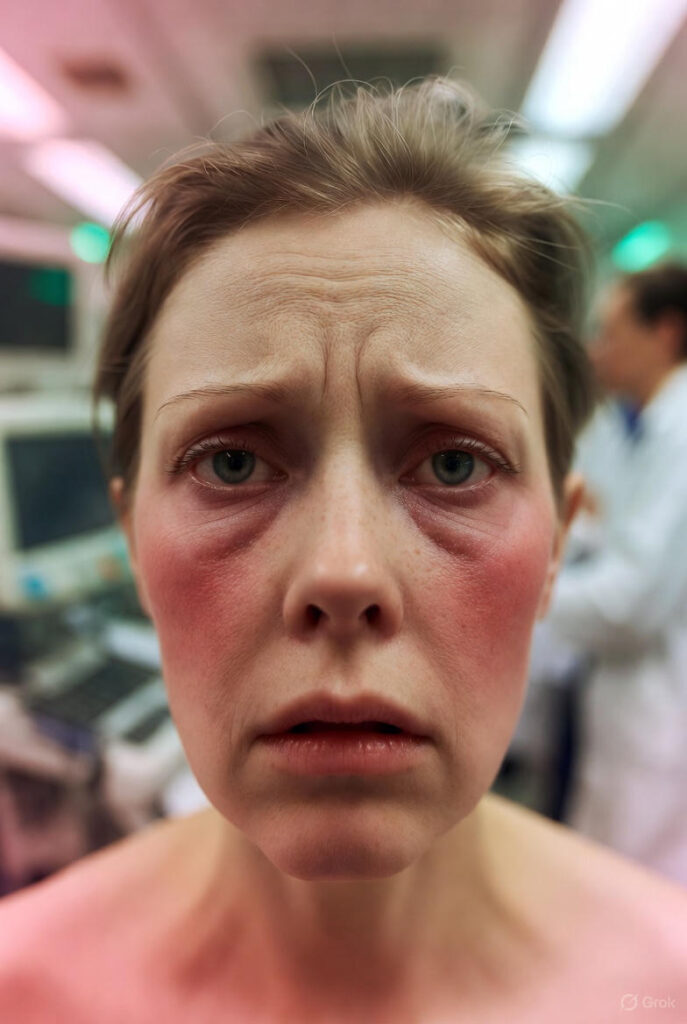
Endocarditis is a serious infection of the inner lining of the heart. This lining is called the endocardium. The disease develops when harmful germs enter the bloodstream and attach to damaged areas of the heart. It can affect anyone.
However, it is more common in people with weak heart valves or past heart problems. Early awareness is essential. It protects long-term heart function and reduces complications.
Therefore, this blog explains the disease in a clear and human tone. It covers symptoms, causes, diagnosis, natural care, and prevention. It also discusses the global impact of this condition. Each section supports better understanding and encourages safer heart health choices.
Overview of Endocarditis
Endocarditis starts with bacteria or fungi entering the blood. These organisms reach the heart and create inflammation. The infection may harm the valves and reduce blood flow. This makes the heart work harder. As a result, the person may feel weak or tired.
The disease progresses slowly in some cases. However, it can also move quickly and require urgent care.
Doctors classify endocarditis into two types. Acute endocarditis appears suddenly and worsens fast. Subacute endocarditis grows slowly and may take weeks to show clear symptoms. Both types demand medical attention. However, early detection improves outcomes significantly.
The condition is uncommon. Yet, the numbers remain concerning in many countries. Modern lifestyle changes and increased medical procedures may increase risk. Therefore, consistent awareness is important at both personal and community levels.
Causes of Endocarditis
The main cause of endocarditis is a bloodstream infection. Germs enter through simple daily activities. Brushing teeth may cause minor gum bleeding, which allows bacteria to enter the blood. This is usually not harmful. However, it becomes risky when heart valves are already damaged.
Medical procedures can also introduce bacteria. Dental treatments may increase the risk. Skin infections may also allow germs to enter the bloodstream. Therefore, proper hygiene remains a strong protective step.
People who use contaminated needles face a much higher risk. Intravenous drug use is a major cause worldwide. Moreover, long-term catheter use can introduce harmful organisms into the body. Poor immune function makes the situation more difficult. As a result, the bacteria multiply faster and create inflammation around the heart valves.
Symptoms of Endocarditis
Symptoms vary based on the type of infection. Some people notice signs slowly. Others experience sudden changes.
Fever remains the most common symptom. It appears early and may continue for many days. Chills often accompany the fever. Fatigue is also common because the infection reduces energy levels. Many people feel weak throughout the day.
Heart murmurs may develop or change. This creates unusual heart sounds. Unexplained weight loss may also appear. However, this sign is often ignored until the condition becomes severe.
Skin changes may occur. Small red spots may appear on the palms or soles. Some people develop pain in muscles or joints. Persistent cough or shortness of breath may also appear as the infection progresses.
Therefore, any persistent combination of these symptoms requires medical evaluation. Early examination can prevent long-term heart damage.
Diagnosis of Endocarditis
Doctors use several methods to diagnose endocarditis. Blood tests help detect bacteria or fungi. These tests confirm the exact organism responsible for the infection. Accurate identification supports better treatment decisions.
Echocardiography is another essential tool. This test uses sound waves to create images of the heart. It shows valve damage or growths caused by infection. Some cases need advanced imaging for deeper evaluation.
Doctors also review medical history. They ask about dental work, surgeries, heart problems, or lifestyle habits. This information connects possible causes to the infection. Therefore, a complete diagnosis combines tests, examination, and medical history.
Treatment Without Medicine: Natural Supportive Care
Medical treatment remains the only safe cure for endocarditis. No natural method can remove bacteria or heal heart valves. Therefore, supportive care should never replace medical treatment. However, natural practices may support overall health during recovery. They also help strengthen the heart after the infection is controlled.
Adequate rest is essential. It helps the heart recover and reduces stress on the body. Balanced food supports healing. Fresh vegetables, fruits, and whole grains add strength. Moreover, hydration maintains proper blood flow.
Breathing exercises may improve lung function. Simple techniques reduce stress and support calmness. However, intense workouts should wait until a doctor approves activity levels.
Regular follow-ups remain extremely important. They ensure the infection has cleared completely. As a result, the risk of recurrence becomes lower.
Prevention of Endocarditis
Prevention begins with hygiene. Good oral care protects the gums and reduces harmful bacteria. Therefore, brushing and flossing daily is essential. Dental checkups also support prevention.
People with heart conditions must take extra precautions. Doctors may recommend preventive measures before certain medical or dental procedures. These steps reduce the chance of bacteria entering the bloodstream.
Clean skin care prevents infections. Treating wounds quickly also reduces risk. Avoiding the use of shared needles is vital. This step protects both the heart and the immune system.
Healthy lifestyle choices strengthen the body. Balanced meals and regular physical activity support heart function. Avoiding smoking also improves immunity and protects valve health.
Global Impact of Endocarditis
Endocarditis affects people worldwide. However, the burden remains higher in lower-income regions. Limited access to dental care increases gum infections. As a result, the bacteria enter the bloodstream more easily.
Intravenous drug use has also increased cases in many countries. This creates strain on healthcare systems. Moreover, advanced valve surgeries and implanted devices raise risk levels in aging populations.
The disease demands global awareness. Better hygiene education, safer medical practices, and accessible healthcare can reduce the burden significantly. Therefore, coordinated global efforts remain important for long-term control.
Frequently Asked Questions
What is endocarditis in simple words?
Endocarditis is an infection of the heart’s inner lining. It usually affects the heart valves and causes inflammation.
Is endocarditis dangerous?
Yes. It can damage the heart valves. However, early treatment prevents complications.
Can endocarditis heal without treatment?
No. The infection requires medical care. Natural methods cannot remove the bacteria.
Who is at higher risk of endocarditis?
People with damaged heart valves, artificial valves, past infections, weak immunity, or unsafe needle practices face higher risk.
Can good oral hygiene prevent endocarditis?
Yes. Healthy gums reduce bacteria that may enter the bloodstream.
Warm and Inspiring Conclusion
Endocarditis is a serious condition. However, early awareness creates strong protection. Small daily habits can prevent infections and support heart health. Moreover, quick action ensures faster recovery and fewer complications. Your heart works every moment for you.
Therefore, give it the care, attention, and respect it deserves. Stay informed, stay healthy, and make choices that support long-term wellness.
Pericarditis Disease: Causes, Symptoms, Diagnosis & Care
https://newsarmour.com/pericarditis-disease-causes-symptoms-care/
Reference
- WHO – Infective Endocarditis Overview
https://www.who.int/health-topics/cardiovascular-diseases - CDC – Infective Endocarditis Information
https://www.cdc.gov/heartdisease/ - NIH – Endocarditis Facts and Research
https://www.nhlbi.nih.gov - American Heart Association – Infective Endocarditis Guide
https://www.heart.org - Cleveland Clinic – Endocarditis Symptoms and Treatment
https://my.clevelandclinic.org/health/diseases