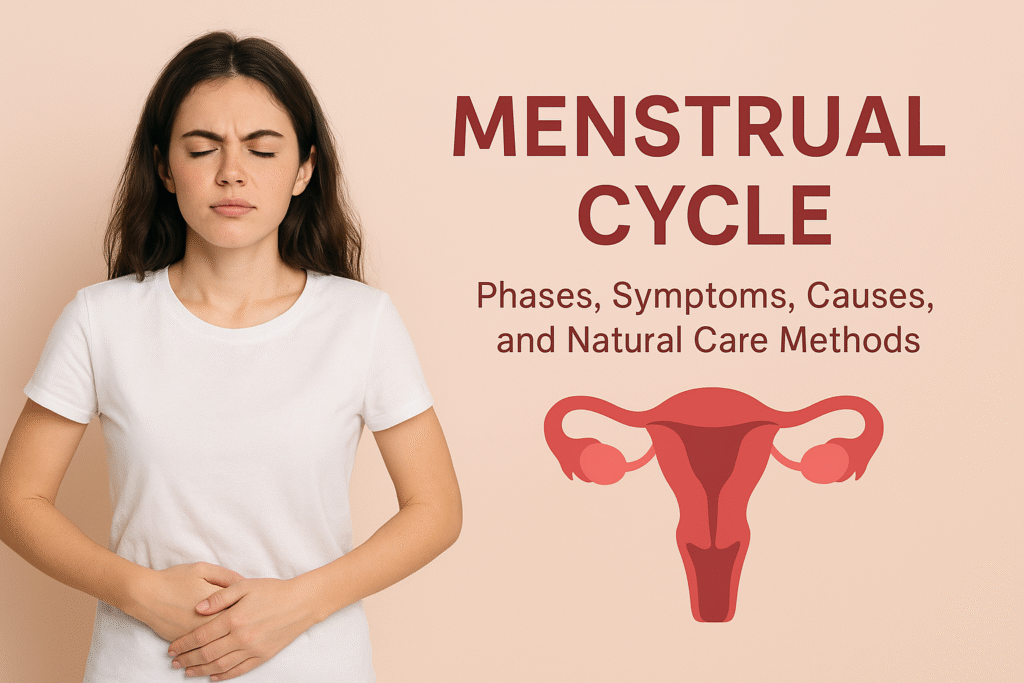
The menstrual cycle is a natural and essential process in a woman’s reproductive life. It reflects hormonal balance, fertility, and overall health. Many women, however, still feel confused about different phases and symptoms. This guide offers a clear and engaging explanation of the menstrual cycle.
It also covers causes of irregularities, symptoms, diagnosis, treatment without medicine, prevention, and the global impact. The information is simple, accurate, and suitable for all readers.
Overview of the Menstrual Cycle
The menstrual cycle prepares the body for pregnancy every month. It usually lasts between 21 and 35 days. The length may change due to age, health, lifestyle, and hormonal factors. Each cycle includes a series of changes controlled by hormones such as estrogen and progesterone. These hormones influence the uterus, ovaries, and brain.
A healthy cycle shows that the reproductive system is functioning well. However, many women experience discomfort, pain, or irregular periods. These issues often arise due to stress, imbalance, or medical conditions. Understanding the full cycle helps women make better decisions for their health.
Why the Menstrual Cycle Matters
A balanced cycle supports fertility. It also protects long-term health. Hormonal shifts affect the uterus lining, ovaries, brain, bones, and emotional well-being. Therefore, the menstrual cycle offers a clear sign of internal health. When the cycle becomes irregular, it may signal stress, thyroid issues, PCOS, or weight changes.
Moreover, learning about the cycle empowers women to track changes. This knowledge improves awareness and helps in managing symptoms naturally.
Phases of the Menstrual Cycle
1. Menstrual Phase
This is the first phase. It starts when the uterus sheds its lining. Bleeding usually lasts three to seven days. The body removes unused tissue from the previous cycle. This process is natural and essential.
2. Follicular Phase
The follicular phase overlaps with menstruation. It begins on day one and continues until ovulation. The brain releases FSH during this time. This hormone stimulates follicles in the ovary. One follicle becomes dominant and prepares to release an egg. Estrogen rises gradually and rebuilds the uterine lining. As a result, energy levels often increase.
3. Ovulation Phase
Ovulation is the midpoint of the cycle. It usually occurs around day fourteen in a 28-day cycle. The dominant follicle releases a mature egg. The release happens due to a sharp rise in the LH hormone. Many women feel slight pain or notice changes in cervical mucus. Fertility is highest during this phase.
4. Luteal Phase
The final phase lasts about fourteen days. The empty follicle forms the corpus luteum. This structure releases progesterone. The hormone thickens the uterus lining. It prepares the body for pregnancy. If pregnancy does not occur, progesterone drops. The drop triggers the next menstrual cycle.
Causes of Menstrual Irregularities
Menstrual changes happen for several reasons. Hormones play a major role. Even small disruptions can affect the cycle.
Stress is a common cause. It affects the hypothalamus and changes hormonal signals. Weight loss, weight gain, or excessive exercise also disturb balance. Thyroid disorders, PCOS, and high prolactin levels may create irregular cycles. Certain medications and contraceptives influence hormone levels as well.
Therefore, identifying the cause is essential. It helps in selecting the right approach for management.
Common Symptoms of Menstrual Problems
Menstrual issues appear in several forms. Some women experience heavy bleeding. Others face missed periods or long cycles. Pain, cramps, bloating, and fatigue are frequent. Many women also notice mood swings or acne.
However, severe symptoms may indicate underlying conditions. Prolonged pain, long gaps between periods, or sudden changes should not be ignored. Early attention prevents complications.
How Menstrual Problems Are Diagnosed
Doctors evaluate the full medical history first. They also ask about lifestyle, stress, and dietary patterns. A pelvic exam may be performed. Blood tests help assess hormone levels, thyroid function, and iron status. Ultrasound imaging checks ovaries and uterus health.
These tests create a complete picture. As a result, the doctor can identify imbalances or structural problems. Early diagnosis improves treatment outcomes.
Natural Treatment and Management Without Medicine
Many menstrual problems improve through natural methods. Lifestyle changes influence hormones more than many people realize. These methods offer gentle and effective relief.
Regular physical activity improves blood flow and reduces cramps. It also balances hormones gradually. A nutritious diet supports the cycle as well. Foods rich in iron, calcium, and omega-3 fatty acids reduce symptoms.
Stress reduction plays a major role. Yoga, meditation, deep breathing, and quality sleep restore hormonal balance. Adequate hydration eases bloating. Heat therapy relaxes muscles during cramps.
Herbal remedies also help, although they must be used carefully. Ginger, cinnamon, and chamomile may reduce pain naturally. However, they should be taken only under guidance.
Moreover, maintaining a healthy weight supports hormone balance. Avoiding smoking and limiting caffeine improves cycle regularity. Small changes lead to positive long-term effects.
Prevention of Menstrual Issues
Healthy habits prevent many cycle-related problems. A balanced diet strengthens the body. Regular exercise supports hormonal health. Stress control is equally important. Tracking the cycle helps women notice early changes. As a result, they can act before issues worsen.
Adequate sleep stabilizes hormones. Hydration improves blood circulation. Avoiding extreme diets or harsh workouts protects reproductive health. Preventive care keeps the cycle smooth and predictable.
Global Impact of Menstrual Health
Menstrual health is a global concern. Millions of women still lack awareness and hygiene resources. This challenge affects education, work, and social participation. Many girls skip school during periods. Others face stigma or misinformation.
However, global efforts are improving the situation. Awareness programs educate communities. Many countries promote menstrual hygiene and support women’s health. Better access to sanitary products empowers women. It also strengthens public health.
Improving menstrual health benefits society. Productivity rises. Education levels increase. Women gain confidence. Therefore, menstrual health is a human rights issue and a public health priority worldwide.
Frequently Asked Questions (FAQs)
What is a normal menstrual cycle length?
A normal cycle ranges from 21 to 35 days. Small variations are common.
Why do periods become irregular?
Periods become irregular due to stress, weight changes, thyroid problems, PCOS, or hormonal shifts.
How many days does menstruation last?
Menstruation usually lasts three to seven days, although slight changes may occur.
Can stress affect the menstrual cycle?
Yes. Stress disrupts hormone signals and may delay or skip periods.
How can I reduce period pain naturally?
Heat, hydration, light exercise, and relaxation techniques offer relief. Ginger and cinnamon also help mildly.
When should I see a doctor?
Seek medical help if cycles become very irregular, extremely painful, or unusually heavy.
Conclusion
Understanding the menstrual cycle brings confidence and clarity. It helps women care for their physical and emotional health. A balanced lifestyle, regular tracking, and early attention to symptoms make every cycle easier to manage.
Every woman deserves comfort, knowledge, and freedom from stigma. Take the first step today by listening to your body and supporting your menstrual health with care and awareness.
Right Sided Heart Failure: Causes, Symptoms & Treatment
https://newsarmour.com/right-sided-heart-failure-causes-symptoms-treatment/
Reference
- World Health Organization – Menstrual Health
https://www.who.int/health-topics/menstruation - UNICEF – Menstrual Hygiene & Health Information
https://www.unicef.org/wash/menstrual-hygiene - NIH – Menstruation Overview
https://medlineplus.gov/menstruation.html - Cleveland Clinic – Menstrual Cycle Explained
https://my.clevelandclinic.org/health/body/22280-menstrual-cycle - Office on Women’s Health – Menstrual Health
https://www.womenshealth.gov/menstrual-cycle