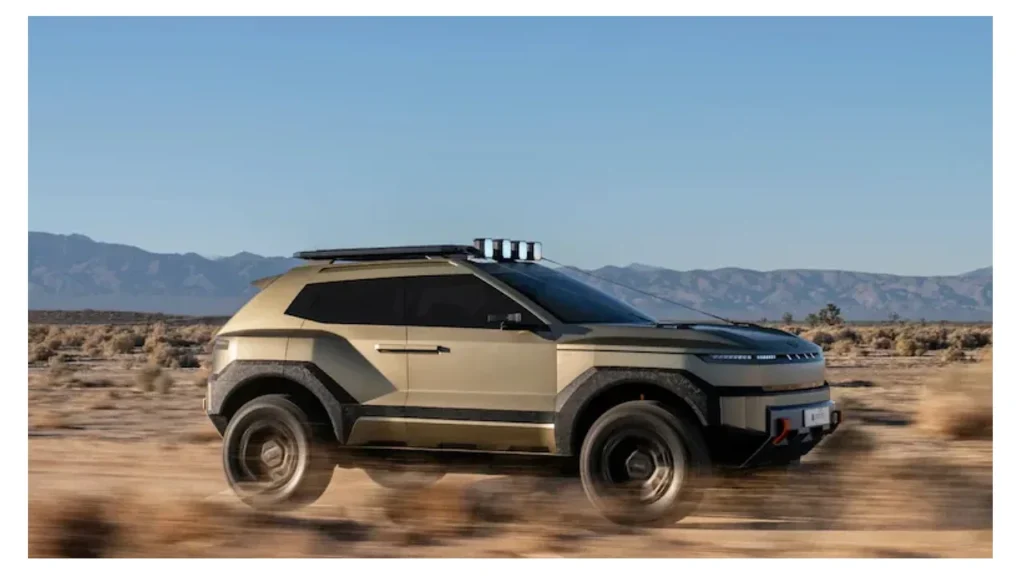
Hyundai has once again surprised the auto world. The newly revealed Hyundai Crater Concept promises to be a rugged, off-road SUV built for adventure. It feels bold, raw, and ready to conquer rough terrain. As the brand teases its future plans, this concept hints at a serious shift toward more rugged, utility-oriented vehicles.
What Is the Hyundai Crater Concept?
The Hyundai Crater Concept is a prototype that showcases Hyundai’s vision for a tougher, off-road capable SUV. It breaks cover with a muscular silhouette. In fact, its design language is far removed from the sleek city SUVs we often see. Instead, it embraces a purposeful, go-anywhere attitude. Also, Hyundai clearly wants to signal that it is ready to tackle the wild.
The concept’s name, “Crater,” evokes images of rugged landscapes and deep, rocky terrains. Therefore, the naming aligns perfectly with the vehicle’s off-road ambitions. Moreover, Hyundai seems to be positioning this concept as more than just a showpiece. It might actually lead to a production SUV.
Bold, Rugged Design Language
Stylistically, the Crater Concept is unapologetically rugged. It sports a high ground clearance and chunky off-road tires. Its sharp fender flares and wide stance give it a brawny presence. Also, the front fascia features an aggressive grille and bold LED lighting.
Additionally, the concept’s body panels are sculpted with deep contours. The cladding around the wheels looks durable and protective. There are sturdy skid plates below to shield the underbody from rough terrain. As a result, the SUV looks capable and ready for serious off-road duty.
Another striking feature is the roof setup. The Crater has a roof rack that appears modular. It can likely carry gear for camping or overlanding. Therefore, Hyundai seems to be catering to buyers who love outdoor trips. The overall design both inspires and impresses.
Performance: What Might Power the Crater?
Hyundai hasn’t revealed full powertrain details yet. However, the concept hints at serious off-road capabilities. The raised ride height suggests strong suspension travel. Also, the tires appear oversized, which would help with grip on rough terrain.
If Hyundai moves to production, we could see a four-wheel-drive system under the hood. The brand may pair it with a powerful internal combustion engine or even a hybrid unit. As Hyundai has been pushing electric vehicles, an EV version seems possible too. Moreover, an all-wheel-drive electric SUV could seriously challenge competitors in the rugged market.
Hyundai’s expertise in battery technology may come into play. If the Crater concept goes electric, it might feature robust battery packs. These could support long off-road trips. As a result, travelers and explorers would love its range and durability.
Interior Vision: Practical Yet Comfortable
Stepping inside, the Crater Concept reveals a functional, no-nonsense interior. The cabin has a utilitarian feel, but it doesn’t skimp on comfort. The seats look durable and built for adventure. They probably use rugged materials that are both easy to clean and stylish.
Hyundai appears to combine modern tech with practical usability. For example, the dashboard has a digital display and a central touchscreen. It might support off-road navigation, trail maps, and camping apps. Also, there are likely dedicated buttons for terrain management and drive modes.
Storage is another highlight. The Crater has plenty of clever compartments and under-seat bins. It even seems to include tie-down points for cargo. Therefore, adventurers can haul gear without sacrificing cabin cleanliness. Moreover, the modular roof rack adds more utility outside the cabin.
Hyundai’s designers seem to have thought about real-world rugged use cases. As a result, the SUV would serve both daily driving and weekend expeditions equally well.
Off-Road Technology and Features
Under the surface, the Crater Concept could pack advanced off-road tech. Hyundai may include hill-descent control, locking differentials, and terrain-specific drive modes. Also, it might use advanced stability control to maintain traction on slippery surfaces.
Lighting is clearly a priority too. The concept’s LED headlamps and auxiliary lights suggest Hyundai wants to support night-time off-road driving. There could also be integrated recovery hooks and reinforced bumpers. These additions would make the SUV practical in challenging environments.
Hyundai might also add underbody protection. The design shows skid plates to guard critical components from rocks and obstacles. Furthermore, the large wheels and rubber fenders hint at serious off-road readiness. Therefore, the Crater could handle more than just mild trails—it may venture into demanding terrain.
Market Prospects: Will Hyundai Make It?
For now, the Crater is still a concept. Hyundai hasn’t confirmed a production timeline. However, the automaker’s increasing focus on SUVs suggests there is a high chance. Consumers today are eager for rugged, capable SUVs that combine practicality with style.
If Hyundai launches the Crater Concept as a production model, it could rival other off-road SUVs. Competitors may include Jeep’s Wrangler, Ford’s Bronco, and rival electric off-roaders. However, Hyundai could set itself apart with modern technology and smart design.
Moreover, Hyundai’s global reach gives it an advantage. The Crater could appeal to buyers in regions that love adventure vehicles. Markets like North America, Europe, and Australia might welcome a rugged Hyundai SUV. Therefore, the concept’s potential is broad.
Hyundai could also launch multiple variants. For example, a base off-road gas model, a hybrid, and a fully electric version. Such diversity would help it capture a wide audience. Also, it could drop in trims tailored for camping, overlanding, or even light commercial work.
Sustainability and Environmental Impact
If Hyundai decides to electrify the Crater, it could deliver strong sustainability credentials. An EV version would emit zero tailpipe emissions. That approach aligns with global trends toward greener mobility.
Moreover, the concept may use eco-friendly materials in its interior. Hyundai has adopted sustainable fabrics in other models. The Crater’s cabin could follow that trend. In addition, its modular roof rack and utility-oriented design can help minimize excess weight.
Hyundai may also optimize aerodynamics despite the rugged build. Better airflow would boost efficiency, even during highway drives. As a result, the SUV could offer good range and lower energy consumption. For adventurers looking for green credentials, that would be a major plus.
Challenges Ahead
Turning a concept like the Crater into a production model isn’t easy. Cost is one major hurdle. Off-road components like reinforced suspension, large tires, and specialized electronics add to manufacturing expense.
Market demand is another concern. While adventure SUVs are growing in popularity, not all buyers need full off-road capability. Hyundai has to strike a balance between ruggedness and affordability.
Building a reliable EV off-road vehicle adds complexity too. Hyundai must ensure the battery packs handle rough terrain, water ingress, and stress. The automaker would also need to validate safety and durability under extreme conditions.
Finally, regulations could limit some features. Heavy-duty off-road gear sometimes conflicts with pedestrian safety laws or emissions standards. Hyundai will need to navigate this carefully if it wants to bring the Crater to road-legal status.
Why the Crater Concept Matters
The Hyundai Crater Concept matters for several reasons. First, it signals that Hyundai is serious about expanding its SUV lineup into rugged terrain. Second, it could bring modern technology into the off-road space. By combining design, utility, and sustainability, Hyundai could redefine what adventure SUVs look like.
Also, Hyundai’s move could push competitors to innovate. If this concept does become a production model, it may raise the bar for off-road capability in mainstream brands. Moreover, for consumers, a practical and tech-rich off-road SUV from Hyundai could be a game changer.
Conclusion: A New Era of Hyundai Ruggedness
The Hyundai Crater Concept breaks cover with genuine promise. It delivers a bold design, rugged capability, and forward-thinking tech. While it remains a concept for now, its potential is undeniable. Hyundai may well be paving the way for its toughest, most adventurous SUV yet.
If you love road trips, off-road thrills, or simply want a versatile vehicle, the Crater Concept deserves attention. Keep an eye on Hyundai’s future announcements — this concept might soon become a real, production-ready warrior. Ultimately, if Hyundai brings the Crater to market, it could reshape the adventure-SUV segment in exciting ways.
What do you think about the Hyundai Crater Concept? Would you buy a rugged Hyundai SUV? Share your thoughts in the comments below, and stay tuned for more updates on this exciting future model.
Mahindra Bolero Max: New Features, Performance & Review
https://newsarmour.com/mahindra-bolero-max-review/
References :-
- Hyundai Global Newsroom – https://www.hyundainews.com
- Hyundai Worldwide – Concept Models – https://www.hyundai.com/worldwide/en
- MotorTrend – Concept Car Coverage – https://www.motortrend.com/concept-cars/
- CarScoops – Industry News – https://www.carscoops.com
- AutoCar – Future Cars Section – https://www.autocar.co.uk/car-news/new-cars