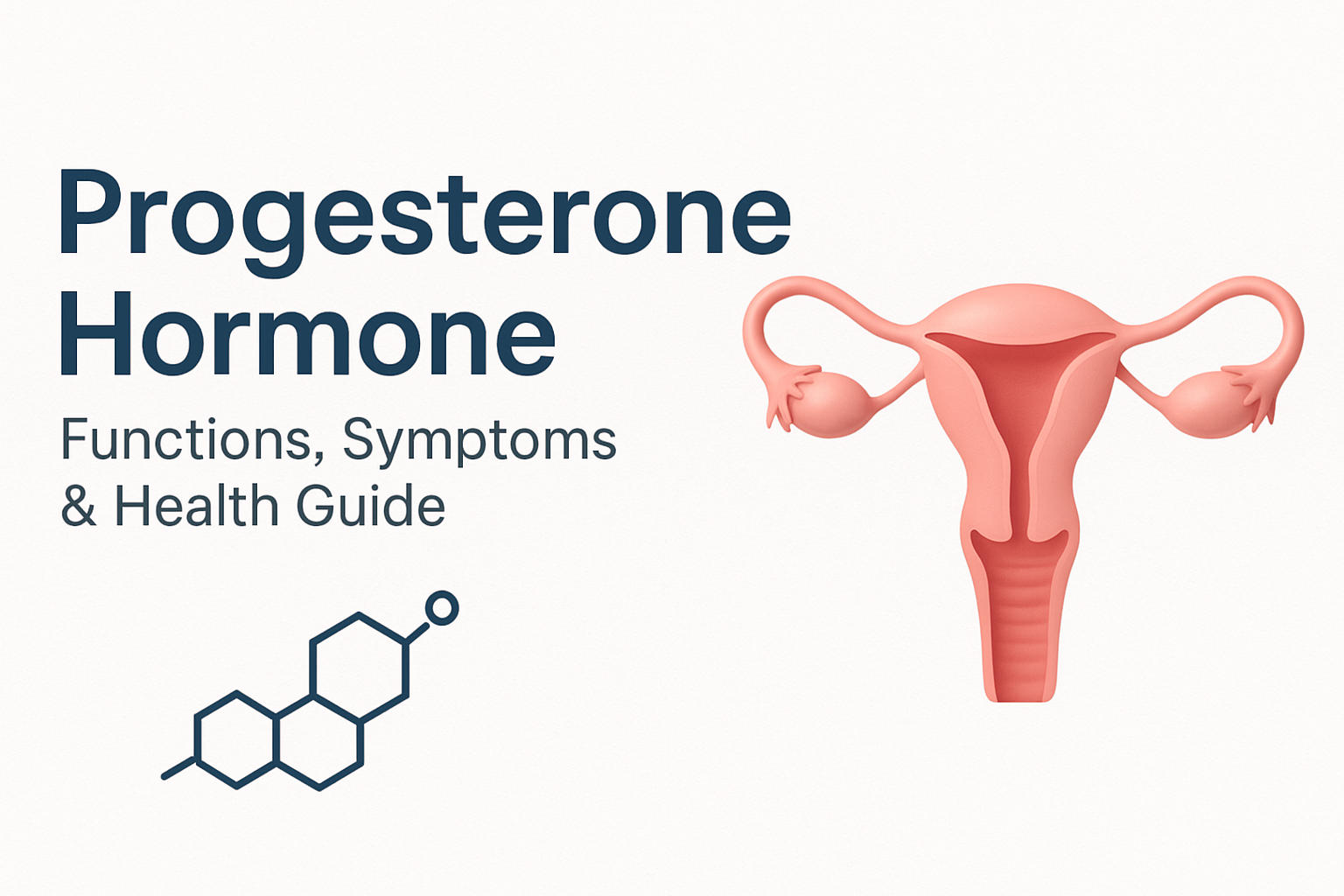
Progesterone is one of the most important hormones in the human body. It plays a central role in the reproductive system and overall hormonal balance. It affects both physical and emotional health. Although many people know it as a “pregnancy hormone,” its functions go far beyond pregnancy.
This blog explains the role of progesterone, its importance, symptoms of imbalance, and ways to support healthy levels. The goal is to help you understand this hormone in a simple and clear way.
What Is Progesterone?
Progesterone is a natural steroid hormone produced mainly in the ovaries. The adrenal glands and the placenta also produce small amounts. It rises and falls throughout the menstrual cycle. After ovulation, its level increases.
This rise prepares the uterus for pregnancy. If pregnancy does not occur, its level falls. As a result, the menstrual cycle begins again.
Progesterone is crucial in both female and men. Women need it for menstrual health and fertility. Men also produce it in small amounts because it supports testosterone balance. However, its main role is in the female reproductive system.
How Progesterone Works in the Body
Progesterone performs many vital functions. It thickens the uterine lining and supports implantation. It stabilizes estrogen and keeps hormonal balance in check. It also prepares the body for breastfeeding. Moreover, it supports healthy sleep and emotional stability.
This hormone interacts with the brain. Therefore, it influences mood, calmness, and well-being. It also affects metabolism and bone strength. Its wide-ranging roles show how essential it is for overall health.
Functions of Progesterone in Women
Progesterone ensures a healthy menstrual cycle. It helps the body shift from the follicular phase to the luteal phase. It also maintains the uterine lining. This lining is essential for implantation. Therefore, progesterone is necessary for fertility.
Progesterone is also important during pregnancy. It relaxes the uterus and prevents contractions. It supports fetal development and helps the placenta function. As pregnancy progresses, its level keeps rising. This rise protects the pregnancy and prepares the breasts for milk production.
Progesterone also supports mental and emotional health. It has a calming effect on the brain. Many women feel more relaxed when progesterone is at a healthy level. However, a dip in this hormone can cause irritability and mood swings.
Functions of Progesterone in Men
Progesterone also plays a role in men. It helps produce testosterone and sperm. It reduces estrogen dominance and maintains hormonal balance. Moreover, it supports brain function and improves sleep quality. Although men require only small amounts, the hormone still contributes to overall wellness.
Signs of Low Progesterone
Low progesterone affects many body systems. It often disturbs the menstrual cycle. Women may notice irregular periods or spotting. They may also struggle with fertility. Moreover, low levels can lead to PMS symptoms. Anxiety, mood swings, and sleep issues may appear as well.
Some women experience headaches or migraines due to low progesterone. Hot flashes and reduced libido may also occur. These symptoms often overlap with estrogen imbalance. Therefore, many women confuse the root cause.
In pregnancy, low progesterone increases the risk of complications. It may cause early pregnancy loss or preterm labor. Therefore, proper hormonal evaluation is important for women who face repeated miscarriages.
Signs of High Progesterone
High progesterone is less common. It usually occurs during pregnancy or due to hormonal therapy. However, high levels outside pregnancy may cause breast tenderness. Bloating or fatigue may also appear. Some women feel emotional changes as well.
Although high progesterone is usually not dangerous, it still requires attention. Sudden changes may indicate hormonal disorders. Therefore, it is important to get evaluated if symptoms persist.
Causes of Progesterone Imbalance
Several factors affect progesterone levels. Stress is one of the biggest contributors. Chronic stress raises cortisol, which reduces progesterone. Poor nutrition also disturbs hormonal health. Moreover, conditions like PCOS or thyroid disorders may lower progesterone.
Age also affects progesterone. Levels naturally fall as women approach menopause. This decline causes irregular cycles and mood changes. Some medications may also interfere with hormone production.
Environmental toxins also play a role. Chemicals in plastics, cosmetics, and food packaging may disrupt hormonal balance. Therefore, lifestyle choices matter greatly.
How to Maintain Healthy Progesterone Levels
Healthy progesterone levels require a balanced lifestyle. Proper nutrition, adequate sleep, and stress control are essential. Foods rich in zinc, magnesium, and vitamin B6 support hormonal health. Therefore, adding nuts, seeds, whole grains, and leafy greens can help.
Regular exercise also improves hormonal balance. However, over-exercising may lower progesterone. Moderation is important. Maintaining a healthy body weight also supports hormonal function.
Herbal supplements like chasteberry and evening primrose oil may support progesterone production. However, they should be used under medical guidance. In some cases, doctors may prescribe progesterone therapy. This therapy helps women with severe deficiency or fertility issues.
Moreover, reducing exposure to toxins is helpful. Choosing natural products and avoiding plastics can improve long-term hormonal health.
Progesterone and Mental Health
Progesterone has a strong connection with mental health. It supports calmness by acting on brain receptors. Therefore, balanced levels improve sleep and reduce anxiety. Many women feel more peaceful during the luteal phase due to rising progesterone.
Low progesterone may increase stress sensitivity. It may also reduce sleep quality. As a result, mood swings and irritability may appear. Balanced hormones often lead to better emotional resilience.
Progesterone During Menopause
Progesterone levels fall sharply during menopause. This decline causes symptoms like hot flashes, night sweats, and mood changes. Many women also experience sleep issues. Hormone replacement therapy may help in some cases. However, treatment depends on health history and medical advice.
Maintaining a healthy lifestyle can ease symptoms. Balanced meals, hydration, and stress reduction play a major role. Menopause is a natural transition. However, awareness helps women manage their health confidently.
Conclusion
Progesterone is vital for hormonal balance, reproductive health, and emotional well-being. Its functions go far beyond pregnancy. Understanding this hormone helps you recognize changes in your body. Moreover, it encourages you to seek help when needed. A healthy lifestyle supports balanced hormones. With awareness and the right guidance, you can maintain hormonal wellness and live with confidence.
FAQs
What is the main role of progesterone?
Progesterone prepares the uterus for pregnancy and supports hormonal balance.
Can low progesterone cause infertility?
Yes. Low levels affect ovulation and implantation, which may lead to fertility issues.
How can I increase progesterone naturally?
Healthy food, stress control, adequate sleep, and moderate exercise help improve progesterone levels.
Do men also produce progesterone?
Yes. Men produce small amounts that help regulate testosterone and support sperm health.
When should progesterone be checked?
Hormone testing is best done during the mid-luteal phase or as advised by a doctor.
Estrogen Hormone: Functions, Benefits and Health Impact
https://newsarmour.com/estrogen-hormone-functions-benefits/
Reference
- Mayo Clinic – Progesterone Overview
https://www.mayoclinic.org/tests-procedures/progesterone/about/pac-20394935 - Cleveland Clinic – Progesterone Function
https://my.clevelandclinic.org/health/body/22142-progesterone - Hormone Health Network – Understanding Progesterone
https://www.endocrine.org/patient-engagement/endocrine-library/hormones/progesterone - Johns Hopkins Medicine – Menstrual Cycle & Hormones
https://www.hopkinsmedicine.org/health/wellness-and-prevention/menstrual-cycle - NIH – Progesterone Research & Health Effects
https://pubmed.ncbi.nlm.nih.gov/?term=progesterone