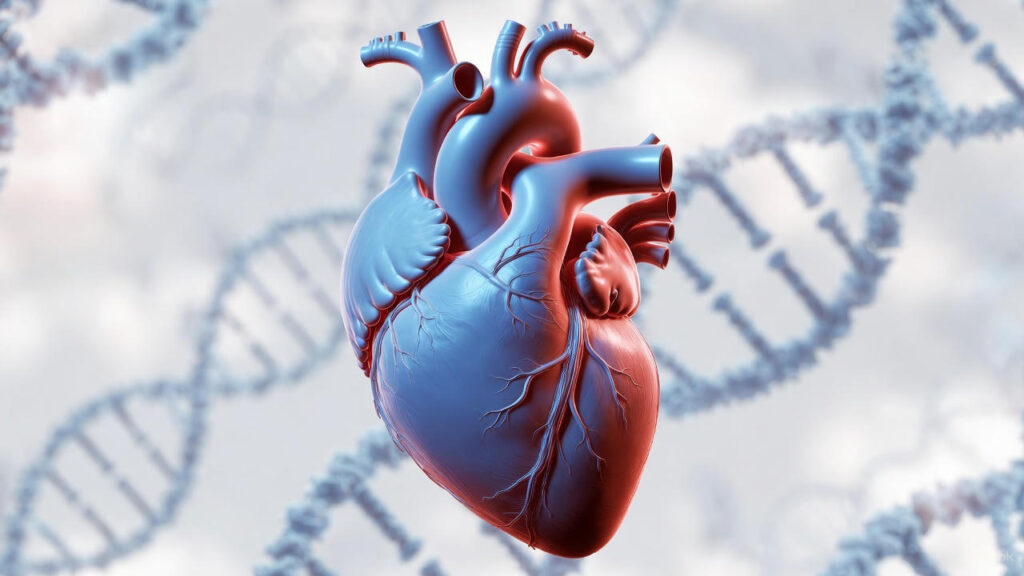
Restrictive cardiomyopathy is a rare but serious heart condition. It affects the heart muscles and reduces their ability to relax. The heart becomes stiff and cannot fill with blood properly. As a result, the body does not receive enough oxygen. The disease can affect people of any age. However, it is more common in adults.
The condition demands early attention. It also requires proper medical care. A timely diagnosis helps prevent complications. Moreover, awareness about the disease supports better health decisions.
What Is Restrictive Cardiomyopathy
Restrictive cardiomyopathy is a disorder of the heart muscle. The ventricles become rigid and cannot expand. The pumping function remains normal in many cases. However, the heart struggles to fill with blood during relaxation. This problem reduces blood flow to the body.
Although the disease is uncommon, it can be life-threatening. The stiffness usually develops due to an underlying condition. Therefore, understanding the root cause is essential.
Symptoms of Restrictive Cardiomyopathy
Symptoms may appear slowly. However, some people experience sudden discomfort. The signs often resemble other heart diseases. Therefore, many people overlook the early changes.
Shortness of breath is one of the most common symptoms. The problem worsens during physical activity. Fatigue is another frequent sign. People feel tired even after mild effort. Swelling in the legs or abdomen may also develop. This condition occurs due to fluid buildup in the body.
Chest pain can appear in some patients. Irregular heartbeat is another warning sign. Dizziness may occur when the brain receives less blood. The symptoms often increase over time. Therefore, regular medical checkups become important.
Causes of Restrictive Cardiomyopathy
Several health conditions can lead to restrictive cardiomyopathy. However, in some cases, the cause remains unknown. Doctors call this idiopathic restrictive cardiomyopathy.
Amyloidosis is one major cause. It happens when abnormal proteins build up in the heart. Hemochromatosis is another cause. This condition leads to high iron levels in the body. Sarcoidosis may also result in heart stiffness. The disease causes inflammation in different organs.
Radiation therapy around the chest can also damage heart tissues. Genetic factors may contribute in some cases. Moreover, certain chronic diseases increase the risk.
Understanding the cause helps doctors design the right treatment. Therefore, proper tests are necessary.
How Doctors Diagnose Restrictive Cardiomyopathy
Doctors start with a physical exam. They also study the medical history of the patient. Further tests provide a clear diagnosis.
An echocardiogram is a common test. It shows the structure and function of the heart. A chest X-ray may reveal heart enlargement. Doctors also use ECG to check the heartbeat pattern. Cardiac MRI gives a detailed view of the heart tissues.
Blood tests help identify conditions like amyloidosis or hemochromatosis. Sometimes doctors perform a biopsy. This test examines a small tissue sample. The results confirm the underlying cause.
Early diagnosis improves treatment outcomes. Therefore, timely testing is very important.
Complications of Restrictive Cardiomyopathy
The disease can cause major health problems. Heart failure is the most serious complication. The heart cannot pump enough blood to the body. As a result, organs receive less oxygen. Fluid buildup also becomes common.
Arrhythmias can develop due to abnormal heartbeats. These irregular rhythms can lead to dizziness. Severe arrhythmias may even be life-threatening.
Blood clots can form inside the heart. The clots may travel to the brain or lungs. This can cause serious medical emergencies. Therefore, regular monitoring becomes essential.
Treatment Options for Restrictive Cardiomyopathy
Treatment depends on the underlying cause. However, the main goal is to manage symptoms. Doctors aim to improve the quality of life.
Medications help control fluid buildup. Diuretics are often used. These medicines help reduce swelling. Doctors may also prescribe drugs to manage irregular heartbeats. Some patients need medication for blood pressure control.
Treating the root cause is important. Therefore, doctors focus on conditions like amyloidosis or hemochromatosis. Each underlying disease requires a specific treatment approach.
Lifestyle changes also support heart health. Doctors may suggest low-salt diets. Moderate activity helps maintain fitness. However, patients should avoid heavy exercise. Regular follow-ups are necessary.
In advanced cases, surgery may help. Some patients require a pacemaker. A heart transplant becomes an option in severe situations. However, it is considered only when other treatments fail.
Living With Restrictive Cardiomyopathy
People can live a stable life with proper care. A healthy routine improves everyday comfort. Regular checkups help track heart function. Doctors may adjust treatment based on progress.
It is important to avoid stress. Relaxation techniques support mental well-being. Patients should also follow medical advice strictly. Moreover, family support plays a big role.
Although the disease is challenging, many people manage it well. Early awareness and consistent care make a strong difference.
When to See a Doctor
People should meet a doctor when they notice symptoms like breathlessness or chest discomfort. Persistent fatigue also signals a problem. Swelling in the legs, coughing at night, or irregular heartbeat should not be ignored. Therefore, timely action is essential.
FAQs
What is the main cause of restrictive cardiomyopathy
The main cause varies. Amyloidosis is one of the most common reasons. However, other diseases can also lead to heart stiffness.
Can restrictive cardiomyopathy be cured
Most cases cannot be fully cured. However, treatment helps manage symptoms. Addressing the underlying cause improves long-term outcomes.
Is restrictive cardiomyopathy dangerous
Yes, it can be dangerous. The disease affects blood flow. As a result, it may lead to heart failure or arrhythmias.
How is restrictive cardiomyopathy detected
Doctors use tests like echocardiograms, MRI, ECG, and blood tests. These tests reveal changes in the heart.
Can lifestyle changes help
Yes, healthy habits support treatment. A low-salt diet, moderate activity, and regular follow-ups help manage the condition.
Hypertrophic Cardiomyopathy: Symptoms, Causes & Treatment
https://newsarmour.com/hypertrophic-cardiomyopathy/
Reference
- American Heart Association – Restrictive Cardiomyopathy
https://www.heart.org/en/health-topics/cardiomyopathy/what-is-cardiomyopathy/restrictive-cardiomyopathy - Cleveland Clinic – Restrictive Cardiomyopathy
https://my.clevelandclinic.org/health/diseases/17618-restrictive-cardiomyopathy - Mayo Clinic – Cardiomyopathy Overview
https://www.mayoclinic.org/diseases-conditions/cardiomyopathy/symptoms-causes/syc-20370709 - National Institutes of Health – Cardiomyopathy Information
https://www.nhlbi.nih.gov/health/cardiomyopathy - MedlinePlus – Cardiomyopathy
https://medlineplus.gov/cardiomyopathy.html