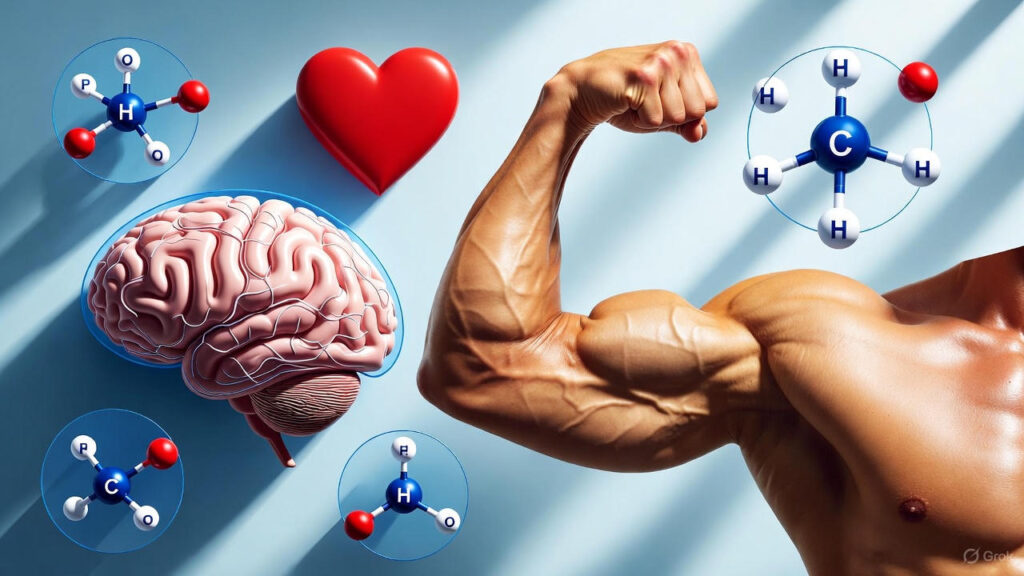
Testosterone is one of the most discussed hormones in the human body. It plays a powerful role in overall health. Many people link it only with muscle growth, but its function goes far beyond that idea. This hormone supports energy, mood, metabolism, and reproductive health. It also influences bone strength and cognitive function.
What Is Testosterone
Testosterone is a steroid hormone. The testes produce most of it in men. The ovaries and adrenal glands also produce small amounts in women. Levels usually rise during puberty and shape many adult characteristics. The hormone supports sexual function and physical development. It also helps maintain various metabolic processes.
How Testosterone Works in the Body
Testosterone travels through the bloodstream and reaches specific cells. It binds to receptors and activates many biological pathways. These pathways influence muscle fibers, bone cells, and even brain tissues. Moreover, the hormone helps regulate protein synthesis. As a result, it supports muscle repair and strength. It also assists in maintaining red blood cell production. This process improves oxygen delivery in the body. However, testosterone does more than support physical performance. It also plays a major role in emotional stability.
Key Functions of Testosterone
Testosterone affects many organs. It supports muscle development. It improves bone density. It boosts energy levels. It enhances libido. It promotes sperm production. It supports mood regulation. It also helps regulate fat distribution. These functions highlight the importance of keeping testosterone in a healthy range. When levels remain balanced, the body performs better in many ways. However, imbalance may affect daily life and long-term health.
Signs of Low Testosterone
Low testosterone is common today. Stress, aging, lack of sleep, and poor lifestyle habits contribute to it. Many people experience tiredness, reduced strength, and low motivation. Some also face mood swings or reduced sexual interest. Men may notice decreased muscle mass. Women may feel weakness or lowered energy. These signs often appear gradually. Therefore, many people ignore them. However, early recognition helps prevent complications. A medical test confirms the actual level.
Causes of Testosterone Imbalance
Age is a major factor. Levels naturally decline after the age of thirty. However, lifestyle also impacts hormone health. Poor diet reduces hormone production. Excess sugar increases insulin resistance. This imbalance reduces testosterone further. Lack of exercise delays metabolic activity. Chronic stress raises cortisol. High cortisol reduces the body’s ability to make testosterone. Sleep deprivation also lowers hormone levels. Moreover, obesity triggers hormonal disruption in many individuals. Environmental chemicals sometimes mimic hormones and disturb natural balance.
Benefits of Healthy Testosterone Levels
Optimal testosterone brings many benefits. It increases energy. It improves confidence. It supports muscle strength. It enhances sexual health. It boosts concentration. It also protects bones and reduces the risk of fractures. Healthy levels improve motivation and help maintain mental clarity. Moreover, stable testosterone helps regulate mood. Many people feel more positive and focused when their hormones stay balanced. As a result, daily productivity increases.
Testosterone in Women
Testosterone is not only a male hormone. Women also need it for proper health. It supports bone strength, libido, and overall vitality. It helps maintain lean muscle tissues. It stabilizes mood and helps regulate energy levels. Although women require less testosterone, imbalance still affects their health. Low levels may cause fatigue, mood changes, and reduced motivation. Therefore, women should also monitor their hormone health.
Natural Ways to Boost Testosterone
Healthy lifestyle habits improve hormone levels. A nutrient-rich diet supports testosterone synthesis. Foods rich in protein, zinc, magnesium, and healthy fats are beneficial. Regular exercise also plays a major role. Strength training increases testosterone naturally. Adequate sleep improves the body’s hormone recovery cycle. Stress management reduces cortisol and protects testosterone production. Moreover, staying at a healthy weight helps maintain hormonal balance. Hydration also supports metabolic processes. Exposure to sunlight improves vitamin D levels, which supports testosterone.
When to Consider Medical Support
Sometimes natural steps are not enough. Chronic health issues may influence hormone production. In such cases, medical professionals conduct tests and evaluate symptoms. They may suggest evidence-based therapies. However, treatment should only occur after proper diagnosis. Self-medication is unsafe and may cause severe side effects. Therefore, medical advice is essential.
Testosterone and Long-Term Health
Testosterone supports long-term vitality. Strong bones reduce injury risk. Stable energy levels improve quality of life. Balanced mood enhances relationships. Better metabolism reduces weight-related problems. Moreover, healthy hormone levels prevent premature aging. Many people experience better sleep and improved mental clarity when their hormones function well. Therefore, maintaining testosterone becomes a lifelong priority.
Myths About Testosterone
Many myths surround testosterone. Some believe that only athletes need it. However, everyone needs healthy hormone levels. Another myth claims that high testosterone always causes aggression. In reality, imbalance in either direction may affect behavior. Some people think supplements alone fix hormone issues. However, lifestyle plays a bigger role. Many also assume testosterone is harmful for women. In truth, women require small but important amounts. Therefore, understanding facts helps avoid confusion.
Final Thoughts
Testosterone is a key hormone for strength, mood, metabolism, and overall wellness. Healthy levels support confidence, motivation, and vitality. Therefore, paying attention to lifestyle, nutrition, and stress is essential. You can start small and build healthier habits every day. Your body responds positively when you care for it. If symptoms appear, seek guidance and protect your long-term health. A balanced approach helps you live a strong and energetic life.
FAQs
What is the main function of testosterone
It supports muscle growth, bone strength, sexual function, and energy levels. It also helps regulate mood and metabolism.
Can women have low testosterone
Yes, women can also experience low testosterone. It affects their energy, motivation, and overall health.
Does exercise increase testosterone
Strength and resistance training stimulate natural testosterone production. Consistency brings the best results.
How does stress affect testosterone
Stress raises cortisol. High cortisol lowers testosterone and affects mood, energy, and sleep.
When should I get my testosterone tested
Testing is helpful when you experience tiredness, low mood, reduced strength, or sexual health changes.
ADH Vasopressin Hormone: Functions, Disorders & Importance
https://newsarmour.com/ad-vasopressin-hormone/
Reference
- Harvard Health:
https://www.health.harvard.edu/mens-health/testosterone-what-it-does-and-doesnt-do - Cleveland Clinic:
https://my.clevelandclinic.org/health/articles/24101-testosterone - Mayo Clinic:
https://www.mayoclinic.org/healthy-lifestyle/mens-health/in-depth/testosterone-therapy/art-20045728 - Endocrine Society:
https://www.endocrine.org/patient-engagement/endocrine-library/testosterone - MedlinePlus:
https://medlineplus.gov/hormonestestosterone.html