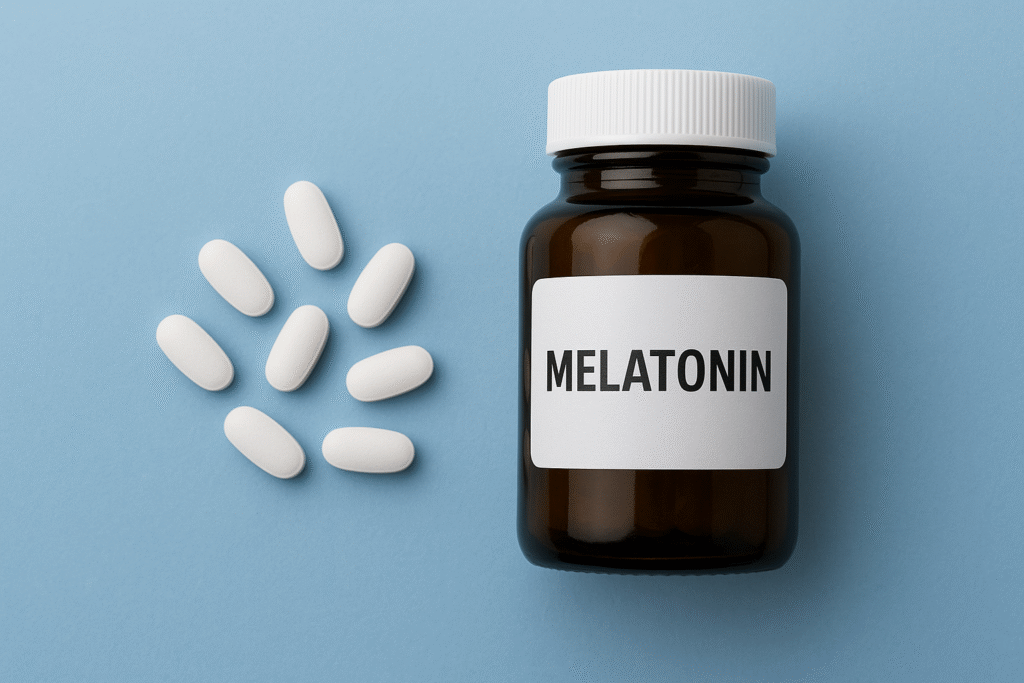
Melatonin is a natural hormone that guides your sleep cycle. It acts as your internal clock and helps you feel sleepy at the right time. The hormone rises at night and drops in the morning. As a result, it controls your sleep-wake rhythm in a very precise way.
Many people also call it the sleep hormone because of its strong influence on rest and recovery. However, melatonin does much more than help you sleep. It supports many vital functions that keep your body balanced and healthy.
What Is Melatonin
Melatonin is produced in a small gland called the pineal gland. The gland sits deep inside the brain. It receives signals from the eyes based on light and darkness. When the surroundings get dark, the gland releases more melatonin. When it becomes bright, melatonin levels fall.
This simple change guides your entire sleep cycle. Moreover, melatonin also works as an antioxidant. It protects cells from damage and reduces stress inside the body. Scientists also study melatonin for its wide impact on mood, digestion, immunity, and hormonal balance.
How Melatonin Works in the Body
Melatonin follows your circadian rhythm. This rhythm is your 24-hour internal clock. It tells your body when to sleep, wake, eat, or stay alert. The hormone binds to specific receptors in the brain. These receptors send signals that slow down brain activity.
As a result, your body starts preparing for sleep. Body temperature drops slightly and breathing becomes calmer. This natural shift makes it easier to fall asleep and stay asleep.
Melatonin also communicates with many organs. It supports gut function by regulating digestive movement. It helps your immune system respond better to infections. Moreover, it maintains hormonal balance by influencing other glands.
This broad effect proves that melatonin is not just a sleep hormone. It plays a central role in many systems that keep your body healthy.
Functions of Melatonin
It fights against harmful molecules and slows some aging processes. Melatonin also supports the immune response. It improves healing and reduces inflammation. Therefore, balanced melatonin levels are essential for daily well-being.
Health Benefits of Melatonin
Melatonin offers many benefits when it stays in the right range. It boosts sleep quality and reduces insomnia symptoms. Many people find that melatonin supplements help them fall asleep faster. However, you should use them with proper guidance.
Melatonin also improves mood stability. It protects the brain and supports emotional balance. As a result, it helps people who face stress or irregular sleep patterns.
Melatonin also helps your gut. It supports digestive movement and reduces discomfort. The hormone improves immunity as well. It helps your body fight infections more effectively.
Moreover, melatonin reduces oxidative stress. This stress often leads to aging and chronic diseases. Therefore, melatonin acts as a strong protective shield against many long-term issues.
Melatonin and Sleep Disorders
Many sleep disorders come from poor melatonin timing. Some people produce melatonin too late. Others release it too early. These shifts disturb the natural sleep rhythm. Jet lag is a common example. A sudden change in time zones confuses the internal clock.
Melatonin supplements help reset the rhythm in these cases. However, the dose must remain safe and appropriate.
People with delayed sleep phase disorder also benefit from melatonin. They fall asleep very late and struggle to wake up. Melatonin helps shift their cycle to a healthier pattern. Moreover, shift workers face irregular sleeping hours.
Their melatonin cycle often becomes unstable. Controlled melatonin use helps them achieve better sleep even during the day.
Melatonin and Mental Health
Melatonin strongly influences mental well-being. It interacts with serotonin, a key mood chemical. As a result, it helps stabilize mood. People with depression or anxiety often show irregular melatonin patterns. Research shows that balanced melatonin levels support better emotional health.
Moreover, melatonin reduces cortisol. Cortisol is the stress hormone that rises during tension. Lower cortisol helps your mind relax and stay calm.
Melatonin also protects the brain from oxidative damage. This protection supports long-term cognitive health. Therefore, melatonin contributes to better focus, memory, and emotional balance.
Natural Ways to Boost Melatonin
Your body can produce melatonin naturally when you follow healthy habits. Exposure to natural light during the day boosts your rhythm. A dark environment at night increases melatonin release. Avoiding screens in the evening also helps.
Blue light blocks melatonin production and delays sleep. A calm bedtime routine prepares the mind for rest. Meditation, reading, or gentle breathing can support this release.
Food also affects melatonin levels. Some fruits and nuts contain natural melatonin. Warm milk and herbal teas may also help your body relax. Moreover, regular sleep timing strengthens your internal clock. When you sleep at the same time daily, your body releases melatonin more efficiently.
Side Effects and Precautions
Melatonin supplements are generally safe. However, misuse can cause issues. Some people may feel daytime sleepiness. Others may experience headaches or mild dizziness. These effects usually fade when the dose is adjusted.
Children, and people with chronic illness should take melatonin only under guidance. Moreover, long-term use should remain monitored by a professional. Melatonin interacts with some medicines. Therefore, consultation is important before starting any supplement.
FAQs
What is melatonin used for
Melatonin helps regulate sleep and supports circadian rhythm. It also protects cells and boosts immunity.
Is melatonin safe for daily use
Short-term use is safe for most people. However, long-term use should be supervised.
Can melatonin help with anxiety
Melatonin supports calmness by reducing stress hormones.
Pancreatic Polypeptide Hormone: Functions, Role and Importance
https://newsarmour.com/pancreatic-polypeptide-hormone/
Reference
Cleveland Clinic – What Is Melatonin
https://my.clevelandclinic.org/health/articles/23411-melatonin
Sleep Foundation – Melatonin Overview
https://www.sleepfoundation.org/melatonin
Mayo Clinic – Melatonin Safety
https://www.mayoclinic.org/drugs-supplements-melatonin/art-20363071
WebMD – Melatonin Information
https://www.webmd.com/vitamins/ai/ingredientmono-940/melatonin
PubMed – Melatonin Physiology
https://pubmed.ncbi.nlm.nih.gov/25908646