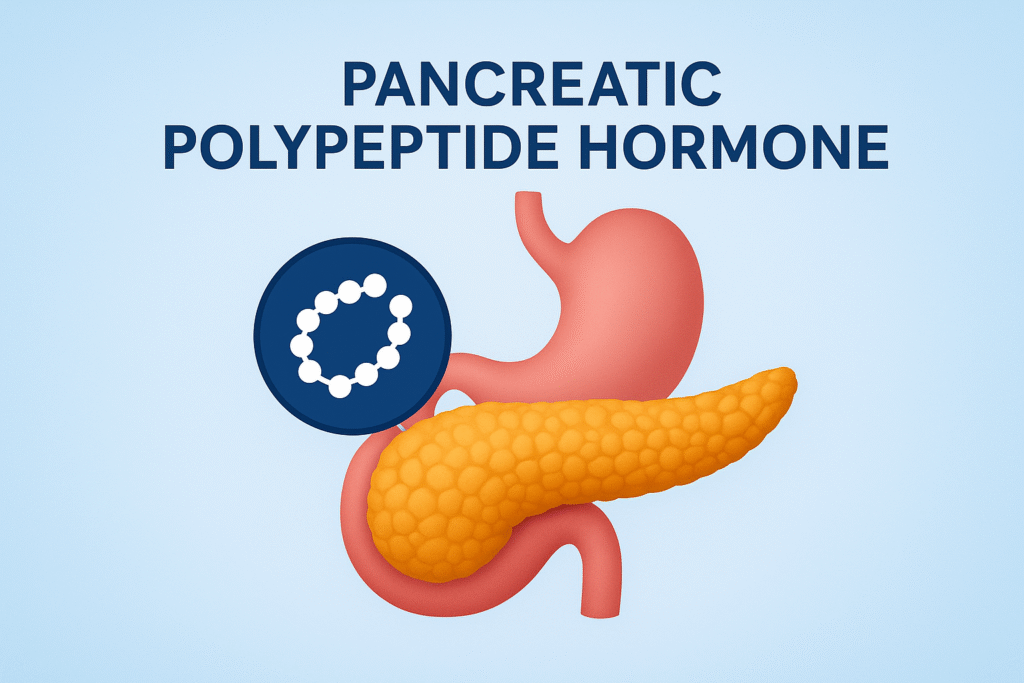
Pancreatic polypeptide is a unique hormone produced by the pancreas. It plays a key role in digestion, metabolism, and appetite control. Many people know about insulin and glucagon, but this hormone often remains unnoticed. However, it performs essential actions that maintain balance in the body. This blog explains its functions, importance, symptoms of imbalance, and clinical relevance in a clear and engaging way.
What Is Pancreatic Polypeptide Hormone
Pancreatic polypeptide is a peptide hormone produced by PP cells. These cells are also known as F cells, and they are located in the islets of Langerhans. The hormone contains thirty six amino acids and circulates in small amounts. Its production increases after meals, especially after eating protein rich foods. It also rises with fasting, exercise, and emotional stress.
The hormone helps regulate gastrointestinal activity and energy use. Therefore, it works as part of the digestive and metabolic system. Moreover, it communicates with the brain and gut to maintain hunger and satiety. Researchers consider it a valuable marker for pancreatic health.
How Pancreatic Polypeptide Works in the Body
Pancreatic polypeptide acts on several organs. It mainly works on the stomach, the liver, the intestine, and the pancreas. Each action plays a role in regulating digestion and metabolic balance.
Role in Digestive System
The hormone slows gastric emptying. This means food stays longer in the stomach. As a result, digestion becomes more controlled. It also reduces pancreatic exocrine secretion. These secretions normally help break down fats, proteins, and carbohydrates. With lower secretion, the digestive process slows down. However, this slowdown helps balance enzyme production after meals.
The hormone also acts on the gallbladder. It reduces gallbladder contractions and bile release. This action helps maintain digestive rhythm and protects the body from excess bile output.
Role in Metabolism and Energy Use
Pancreatic polypeptide influences how the body uses energy. It helps maintain glucose balance by regulating liver metabolism. It also affects appetite control. High levels reduce food intake in some people. Therefore, it helps prevent overeating. Moreover, it interacts with the brain’s hunger centers. This connection helps regulate meal timing and portion size.
Role in Pancreatic Regulation
The hormone also plays an internal regulatory role. It helps control insulin and glucagon secretion indirectly. When levels rise, the pancreas reduces some of its own functions. This action maintains a natural balance within the endocrine system. Researchers believe this protective mechanism prevents overactivity of pancreatic tissues.
How the Hormone Is Regulated
Pancreatic polypeptide release depends on several factors. Food intake is the strongest trigger. Protein rich meals raise its levels more than carbohydrate or fat rich meals. Fasting also stimulates its release. This is because the body prepares for energy conservation during fasting. Exercise is another stimulant. Physical activity increases its production to help manage energy use. Emotional stress and low blood sugar also promote its secretion.
Vagus nerve stimulation strongly increases pancreatic polypeptide levels. This nerve connects the brain and digestive organs. Therefore, any activity that affects the vagus nerve may influence the hormone.
Why Pancreatic Polypeptide Matters
Although it is a small hormone, its impact is significant. It helps keep digestion steady. It also contributes to energy balance and appetite control. These actions make it important for metabolic health. Moreover, doctors use it as a marker for certain diseases.
Relationship with Pancreatic Diseases
Low pancreatic polypeptide levels may suggest pancreatic damage. Conditions such as chronic pancreatitis reduce PP cell numbers. As a result, hormone levels drop. Low levels also appear in long standing diabetes, especially type one diabetes. This occurs because pancreatic cells gradually decline.
High levels may appear in pancreatic tumors. A rare tumor known as pancreatic polypeptideoma produces excess hormone. Excess levels may also appear in endocrine disorders or after certain surgeries.
Relationship with Digestive Disorders
People with digestive problems may show altered hormone patterns. Slow digestive movement, weak enzyme output, and irregular bile flow may relate to abnormal levels. Therefore, doctors sometimes check this hormone to study unexplained digestive symptoms.
Relationship with Obesity and Appetite Control
Pancreatic polypeptide shows promise in weight management studies. Higher levels may reduce appetite in some individuals. As a result, the hormone becomes a potential target for obesity research. It interacts with brain pathways that manage satiety. This action helps reduce cravings and frequent eating in some cases. However, research is still ongoing.
Symptoms of Imbalance
Imbalanced hormone levels may appear in many ways. Low levels can cause digestive discomfort. Some people may experience bloating or slow digestion. Others may feel hungry more often. High levels may cause reduced appetite and unintentional weight loss. However, these symptoms depend on the underlying cause. Doctors usually rely on blood tests and imaging studies to confirm issues.
Diagnosis and Testing
Doctors measure pancreatic polypeptide through a simple blood test. They may take samples before and after meals. Testing helps study pancreatic function. It also helps detect tumors or structural damage. Fasting tests provide useful information. Post meal tests show hormone response to food. Together, these tests guide diagnosis and treatment.
Treatment and Management
There is no direct treatment for pancreatic polypeptide imbalance. Doctors focus on the underlying condition. For example, treating pancreatitis may restore normal levels. Managing diabetes may also help. Tumors require more specific treatment. These treatments depend on the size, type, and spread of the tumor.
Lifestyle changes also support hormone balance. Eating a balanced diet helps regulate digestive hormone activity. Regular exercise improves metabolic health and supports hormonal stability. Stress management techniques also help regulate vagus nerve activity. As a result, hormone levels may improve gradually.
Future Research and Clinical Potential
Pancreatic polypeptide has gained interest in research. Scientists are studying its role in weight loss. They are also exploring its effect on metabolic disorders. Moreover, they are learning more about its influence on the brain gut axis. Future studies may help develop new treatments for obesity, diabetes, and digestive disorders.
Conclusion
Pancreatic polypeptide is a small but powerful hormone. It supports digestion, metabolism, and appetite control. It also acts as a useful marker for pancreatic health. Understanding its role helps us appreciate how the body maintains balance. You can stay aware of your digestive and metabolic health by learning about this hormone. If you experience unexplained symptoms, consider seeking medical evaluation. Your health journey becomes smoother when you stay informed and proactive.
FAQs
Where is pancreatic polypeptide produced
The hormone is produced in the islets of Langerhans.
What does pancreatic polypeptide do in the body
The hormone slows stomach emptying. It reduces enzyme release. It controls gallbladder movement.
Is pancreatic polypeptide related to digestion
Yes, it regulates digestive activity. It slows gastric movement and reduces digestive secretions.
Can pancreatic polypeptide affect appetite
Yes, high levels can reduce appetite. It signals the brain to limit food intake. This action may support weight management.
How is pancreatic polypeptide tested
Doctors use a blood test. They may collect fasting and post-meal samples to check hormone response.
Is there treatment for pancreatic polypeptide imbalance
There is no direct treatment. Doctors treat the root cause. Treatment depends on the related condition.
Does pancreatic polypeptide help in weight loss
Research suggests it may reduce appetite. Scientists are studying its role in obesity treatment.
Is pancreatic polypeptide important for metabolism
Yes, it helps regulate glucose use and energy balance. It works with other hormones to maintain stability.
Can lifestyle changes help regulate pancreatic polypeptide
Healthy eating, regular exercise, and stress control may support hormone balance.
Somatostatin Hormone: Functions, Importance & Medical Role
https://newsarmour.com/somatostatin-hormone/
Reference
- NIH – Pancreatic Polypeptide Overview
https://www.ncbi.nlm.nih.gov/books/NBK541096/ - National Library of Medicine – Hormonal Regulation
https://pubmed.ncbi.nlm.nih.gov/ - Endocrine Society – Endocrine Hormones Guide
https://www.endocrine.org/patient-engagement/endocrine-library - Cleveland Clinic – Pancreas and Digestive Hormones
https://my.clevelandclinic.org/health/body/21525-pancreas - Mayo Clinic – Pancreatic Disorders Information
https://www.mayoclinic.org/diseases-conditions/